Buy baleares.info ?
We are moving the project
baleares.info .
Are you interested in purchasing the domain
baleares.info ?
domain@kv-gmbh.de · 0541-91531010
Buy baleares.info ?
Can you install plasterboard on cork or tiles on cork?
Yes, it is possible to install plasterboard on cork. However, it is important to ensure that the cork surface is clean, dry, and properly prepared before installing the plasterboard. Additionally, it may be necessary to use special adhesive or fasteners designed for use with cork. As for installing tiles on cork, it is generally not recommended. Cork is a soft and flexible material, which can make it unsuitable for supporting the weight and rigidity of tiles. Additionally, the natural movement and flexibility of cork can cause tiles to crack or become loose over time. It is best to consult with a professional to determine the best approach for installing tiles on cork, or to consider alternative flooring options. **
Why are the trees painted black after the bark or cork has been removed?
Trees are painted black after the bark or cork has been removed to protect the exposed area from damage. The black paint helps to seal the wound, preventing diseases and pests from entering the tree. It also helps to regulate the temperature of the exposed area, reducing stress on the tree and promoting faster healing. Additionally, the dark color absorbs sunlight, which can aid in the regeneration of new bark or cork. **

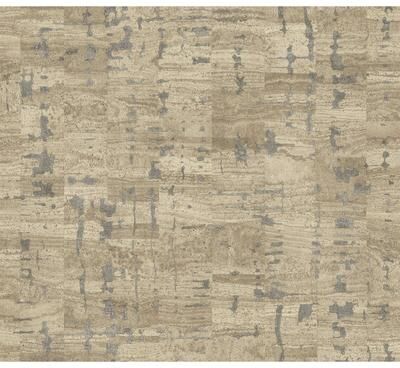
Similar search terms for York-Wallcoverings-Cork-Black
Top-Angebote
Products related to York-Wallcoverings-Cork-Black:
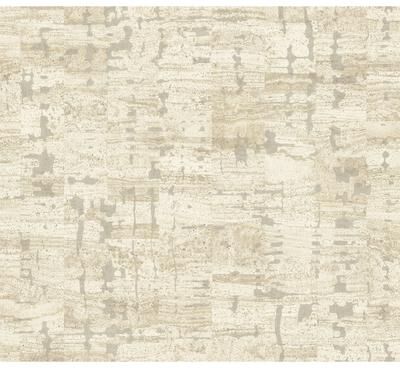

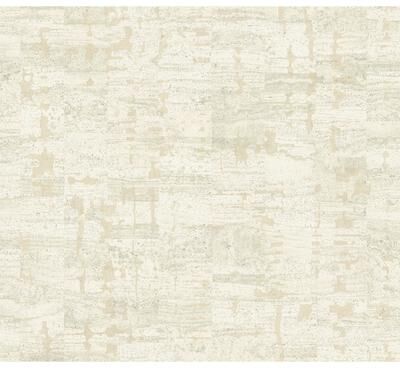

-
How do I remove cork or cork pieces from the wine bottle?
To remove cork or cork pieces from a wine bottle, you can use a few different methods. One option is to use a cork screw to carefully twist and pull out the cork or pieces. Another method is to use a cork retriever, which is a tool specifically designed to remove cork from a bottle. If the cork is stuck inside the bottle, you can try pouring the wine through a fine mesh strainer to catch any cork pieces. It's important to be gentle and patient when removing cork from a wine bottle to avoid contaminating the wine with cork particles. **
-
Do you like black beaches?
As an AI, I don't have personal preferences, but I can tell you that black beaches can be quite stunning and unique. The contrast of the dark sand against the blue ocean and sky can create a striking and beautiful landscape. Additionally, black sand beaches are often formed from volcanic activity, adding an interesting geological aspect to the beach experience. **
-
Do white or black baseboards/skirting boards better match a light brown cork floor, a white wall, and black furniture, all of which are black?
White baseboards/skirting boards would better match a light brown cork floor, a white wall, and black furniture. The white baseboards would create a clean and cohesive look, complementing the white wall and providing a nice contrast against the light brown cork floor. Additionally, the white baseboards would help to tie in the white elements in the room, creating a balanced and harmonious overall aesthetic. **
-
How do you glue cork?
To glue cork, you will need a strong adhesive that is suitable for porous materials like cork. Apply a generous amount of the adhesive to both surfaces that you want to glue together. Press the surfaces firmly together and hold them in place for a few minutes to allow the glue to set. It is important to follow the instructions provided by the adhesive manufacturer for the best results. **


How do you stick cork?
To stick cork, you can use a strong adhesive such as contact cement or a hot glue gun. Apply the adhesive to both the cork and the surface you want to stick it to, then press the cork firmly in place. Make sure to hold it in position until the adhesive has fully dried and the cork is securely attached. Additionally, you can use a cork-specific adhesive that is designed for this purpose for a more secure bond. **
Why is the cork stuck?
The cork may be stuck due to swelling caused by moisture, making it difficult to remove from the bottle. Additionally, the cork may have expanded over time, creating a tight seal with the bottle neck. It is also possible that the cork was inserted too tightly or at an angle, causing it to get stuck. **
Top-Angebote
Products related to York-Wallcoverings-Cork-Black:
-
Can you install plasterboard on cork or tiles on cork?
Yes, it is possible to install plasterboard on cork. However, it is important to ensure that the cork surface is clean, dry, and properly prepared before installing the plasterboard. Additionally, it may be necessary to use special adhesive or fasteners designed for use with cork. As for installing tiles on cork, it is generally not recommended. Cork is a soft and flexible material, which can make it unsuitable for supporting the weight and rigidity of tiles. Additionally, the natural movement and flexibility of cork can cause tiles to crack or become loose over time. It is best to consult with a professional to determine the best approach for installing tiles on cork, or to consider alternative flooring options. **
-
Why are the trees painted black after the bark or cork has been removed?
Trees are painted black after the bark or cork has been removed to protect the exposed area from damage. The black paint helps to seal the wound, preventing diseases and pests from entering the tree. It also helps to regulate the temperature of the exposed area, reducing stress on the tree and promoting faster healing. Additionally, the dark color absorbs sunlight, which can aid in the regeneration of new bark or cork. **
-
How do I remove cork or cork pieces from the wine bottle?
To remove cork or cork pieces from a wine bottle, you can use a few different methods. One option is to use a cork screw to carefully twist and pull out the cork or pieces. Another method is to use a cork retriever, which is a tool specifically designed to remove cork from a bottle. If the cork is stuck inside the bottle, you can try pouring the wine through a fine mesh strainer to catch any cork pieces. It's important to be gentle and patient when removing cork from a wine bottle to avoid contaminating the wine with cork particles. **
-
Do you like black beaches?
As an AI, I don't have personal preferences, but I can tell you that black beaches can be quite stunning and unique. The contrast of the dark sand against the blue ocean and sky can create a striking and beautiful landscape. Additionally, black sand beaches are often formed from volcanic activity, adding an interesting geological aspect to the beach experience. **
Similar search terms for York-Wallcoverings-Cork-Black
-
Do white or black baseboards/skirting boards better match a light brown cork floor, a white wall, and black furniture, all of which are black?
White baseboards/skirting boards would better match a light brown cork floor, a white wall, and black furniture. The white baseboards would create a clean and cohesive look, complementing the white wall and providing a nice contrast against the light brown cork floor. Additionally, the white baseboards would help to tie in the white elements in the room, creating a balanced and harmonious overall aesthetic. **
-
How do you glue cork?
To glue cork, you will need a strong adhesive that is suitable for porous materials like cork. Apply a generous amount of the adhesive to both surfaces that you want to glue together. Press the surfaces firmly together and hold them in place for a few minutes to allow the glue to set. It is important to follow the instructions provided by the adhesive manufacturer for the best results. **
-
How do you stick cork?
To stick cork, you can use a strong adhesive such as contact cement or a hot glue gun. Apply the adhesive to both the cork and the surface you want to stick it to, then press the cork firmly in place. Make sure to hold it in position until the adhesive has fully dried and the cork is securely attached. Additionally, you can use a cork-specific adhesive that is designed for this purpose for a more secure bond. **
-
Why is the cork stuck?
The cork may be stuck due to swelling caused by moisture, making it difficult to remove from the bottle. Additionally, the cork may have expanded over time, creating a tight seal with the bottle neck. It is also possible that the cork was inserted too tightly or at an angle, causing it to get stuck. **
* All prices are inclusive of VAT and, if applicable, plus shipping costs. The offer information is based on the details provided by the respective shop and is updated through automated processes. Real-time updates do not occur, so deviations can occur in individual cases. ** Note: Parts of this content were created by AI.