Buy baleares.info ?
We are moving the project
baleares.info .
Are you interested in purchasing the domain
baleares.info ?
domain@kv-gmbh.de · 0541-91531010
Buy baleares.info ?
Are there uninhabited islands where no one lives?
Yes, there are uninhabited islands around the world where no one lives. These islands may be remote, difficult to access, or simply not suitable for human habitation due to harsh environmental conditions. Some uninhabited islands are protected as nature reserves or wildlife sanctuaries, allowing the natural ecosystems to thrive without human interference. These islands can be important for scientific research and conservation efforts. **
Are there still uninhabited islands in the Pacific Ocean?
Yes, there are still uninhabited islands in the Pacific Ocean. Many of these islands are remote and difficult to access, making them unsuitable for permanent human settlement. Some of these uninhabited islands are protected as wildlife reserves or conservation areas, allowing flora and fauna to thrive undisturbed by human presence. **


Similar search terms for Uninhabited
Top-Angebote
Products related to Uninhabited:
-
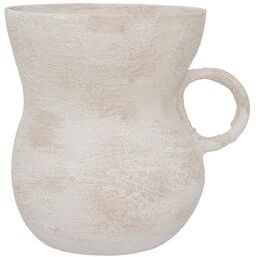
Urban Nature Culture Vase RelaxedQuiet elegancy comes to life in Urban Nature Culture's vase Relaxed. Handmade in Portugal, this ceramic vase has a shape beyond anything you've seen - it's organic, it flows and steals your heart with its playful ear.123,40 $*Shipping: 0,00 $Secure redirect to the provider
-
Urban Nature Culture Vase Talvi - WhiteFloating the sea waves, a sense of calm takes over, feeling at home in the world. That same feeling we get at home, like a safe haven to relax our senses and feast our eyes on our most cherished things.267,80 $*Shipping: 0,00 $Secure redirect to the provider
-
Urban Nature Culture Vase Ace - AceSetting forth a tradition that is centuries old, pottery has ever been one of Portugal's trades. Urban Nature Culture loves to work with Portuguese artisans - who use their skills to combine modern looks and contemporary design with techniques of old.145,60 $*Shipping: 0,00 $Secure redirect to the provider



-
Are there still many uninhabited areas?
Yes, there are still many uninhabited areas around the world, particularly in remote regions such as deserts, mountains, and forests. These areas may be uninhabited due to harsh environmental conditions, lack of infrastructure, or limited access. Some uninhabited areas are protected as nature reserves or wilderness areas to preserve their natural ecosystems. Despite advances in technology and transportation, there are still vast expanses of land that remain untouched by human settlement. **
-
Why do uninhabited houses mold so quickly?
Uninhabited houses mold quickly because there is no one present to regulate the indoor humidity levels or to notice and address any water leaks or moisture issues. Without regular ventilation and temperature control, the stagnant air and damp conditions create an ideal environment for mold growth. Additionally, the lack of regular cleaning and maintenance allows dust, dirt, and organic debris to accumulate, providing nutrients for mold to thrive. Overall, the absence of human activity and oversight in uninhabited houses allows mold to proliferate rapidly. **
-
What are uninhabited areas of the Earth?
Uninhabited areas of the Earth are regions that are not permanently settled or populated by humans. These areas can include remote deserts, polar regions, deep oceans, and rugged mountain ranges. Uninhabited areas may lack the necessary resources or infrastructure to support human life, or they may be too harsh or isolated for permanent settlement. Some uninhabited areas are protected as wildlife reserves or conservation areas, allowing nature to thrive undisturbed by human activity. **
-
Why are the Arctic and the Antarctic almost uninhabited?
The Arctic and Antarctic are almost uninhabited due to their extreme cold temperatures, harsh weather conditions, and remote locations. The Arctic is covered in ice and snow for much of the year, making it difficult for people to live there. The Antarctic is even colder and more isolated, with very few areas of land that are not covered in ice. Additionally, the lack of infrastructure and resources in these regions makes it challenging for people to establish permanent settlements. Overall, the extreme environmental conditions and lack of resources make it nearly impossible for large populations to live in the Arctic and Antarctic. **


What percentage of Russia is inhabited and what percentage is uninhabited?
Approximately 70% of Russia's land area is uninhabited, mainly due to its harsh climate and rugged terrain. The majority of Russia's population is concentrated in the western part of the country, with cities like Moscow and St. Petersburg being the most densely populated areas. The vast uninhabited regions of Russia include remote areas such as Siberia, the Far East, and the Arctic regions. **
How can one seal a leaky roof over an uninhabited space?
To seal a leaky roof over an uninhabited space, one can start by identifying the source of the leak and assessing the extent of the damage. Next, clean the area around the leak and remove any debris or obstructions. Then, apply a roof sealant or roofing cement to the affected area, making sure to cover the leak completely. Finally, consider reinforcing the sealant with a patch or additional layer of roofing material for added protection. Regular inspections and maintenance are also recommended to prevent future leaks. **
Top-Angebote
Products related to Uninhabited:
-
Urban Nature Culture Vase RelaxedQuiet elegancy comes to life in Urban Nature Culture's vase Relaxed. Handmade in Portugal, this ceramic vase has a shape beyond anything you've seen - it's organic, it flows and steals your heart with its playful ear.123,40 $*Shipping: 0,00 $Secure redirect to the provider
-
Are there uninhabited islands where no one lives?
Yes, there are uninhabited islands around the world where no one lives. These islands may be remote, difficult to access, or simply not suitable for human habitation due to harsh environmental conditions. Some uninhabited islands are protected as nature reserves or wildlife sanctuaries, allowing the natural ecosystems to thrive without human interference. These islands can be important for scientific research and conservation efforts. **
-
Are there still uninhabited islands in the Pacific Ocean?
Yes, there are still uninhabited islands in the Pacific Ocean. Many of these islands are remote and difficult to access, making them unsuitable for permanent human settlement. Some of these uninhabited islands are protected as wildlife reserves or conservation areas, allowing flora and fauna to thrive undisturbed by human presence. **
-
Are there still many uninhabited areas?
Yes, there are still many uninhabited areas around the world, particularly in remote regions such as deserts, mountains, and forests. These areas may be uninhabited due to harsh environmental conditions, lack of infrastructure, or limited access. Some uninhabited areas are protected as nature reserves or wilderness areas to preserve their natural ecosystems. Despite advances in technology and transportation, there are still vast expanses of land that remain untouched by human settlement. **
-
Why do uninhabited houses mold so quickly?
Uninhabited houses mold quickly because there is no one present to regulate the indoor humidity levels or to notice and address any water leaks or moisture issues. Without regular ventilation and temperature control, the stagnant air and damp conditions create an ideal environment for mold growth. Additionally, the lack of regular cleaning and maintenance allows dust, dirt, and organic debris to accumulate, providing nutrients for mold to thrive. Overall, the absence of human activity and oversight in uninhabited houses allows mold to proliferate rapidly. **
Similar search terms for Uninhabited
-
Urban Nature Culture Vase Talvi - WhiteFloating the sea waves, a sense of calm takes over, feeling at home in the world. That same feeling we get at home, like a safe haven to relax our senses and feast our eyes on our most cherished things.267,80 $*Shipping: 0,00 $Secure redirect to the provider
-
Urban Nature Culture Vase Ace - AceSetting forth a tradition that is centuries old, pottery has ever been one of Portugal's trades. Urban Nature Culture loves to work with Portuguese artisans - who use their skills to combine modern looks and contemporary design with techniques of old.145,60 $*Shipping: 0,00 $Secure redirect to the provider
-
What are uninhabited areas of the Earth?
Uninhabited areas of the Earth are regions that are not permanently settled or populated by humans. These areas can include remote deserts, polar regions, deep oceans, and rugged mountain ranges. Uninhabited areas may lack the necessary resources or infrastructure to support human life, or they may be too harsh or isolated for permanent settlement. Some uninhabited areas are protected as wildlife reserves or conservation areas, allowing nature to thrive undisturbed by human activity. **
-
Why are the Arctic and the Antarctic almost uninhabited?
The Arctic and Antarctic are almost uninhabited due to their extreme cold temperatures, harsh weather conditions, and remote locations. The Arctic is covered in ice and snow for much of the year, making it difficult for people to live there. The Antarctic is even colder and more isolated, with very few areas of land that are not covered in ice. Additionally, the lack of infrastructure and resources in these regions makes it challenging for people to establish permanent settlements. Overall, the extreme environmental conditions and lack of resources make it nearly impossible for large populations to live in the Arctic and Antarctic. **
-
What percentage of Russia is inhabited and what percentage is uninhabited?
Approximately 70% of Russia's land area is uninhabited, mainly due to its harsh climate and rugged terrain. The majority of Russia's population is concentrated in the western part of the country, with cities like Moscow and St. Petersburg being the most densely populated areas. The vast uninhabited regions of Russia include remote areas such as Siberia, the Far East, and the Arctic regions. **
-
How can one seal a leaky roof over an uninhabited space?
To seal a leaky roof over an uninhabited space, one can start by identifying the source of the leak and assessing the extent of the damage. Next, clean the area around the leak and remove any debris or obstructions. Then, apply a roof sealant or roofing cement to the affected area, making sure to cover the leak completely. Finally, consider reinforcing the sealant with a patch or additional layer of roofing material for added protection. Regular inspections and maintenance are also recommended to prevent future leaks. **
* All prices are inclusive of VAT and, if applicable, plus shipping costs. The offer information is based on the details provided by the respective shop and is updated through automated processes. Real-time updates do not occur, so deviations can occur in individual cases. ** Note: Parts of this content were created by AI.