Buy baleares.info ?
We are moving the project
baleares.info .
Are you interested in purchasing the domain
baleares.info ?
domain@kv-gmbh.de · 0541-91531010
Buy baleares.info ?
What is the difference between Paganism and Celtic culture?
Paganism is a broad term that encompasses various spiritual beliefs and practices that are not part of the major world religions. Celtic culture, on the other hand, refers specifically to the culture, traditions, and beliefs of the ancient Celtic people who lived in parts of Europe, particularly Ireland, Scotland, and Wales. While Celtic culture may have included elements of Paganism, not all aspects of Celtic culture were necessarily tied to Pagan beliefs. Paganism is a more general term that can encompass a variety of different cultural and spiritual practices, while Celtic culture is more specific to the traditions of the ancient Celtic peoples. **
What is paganism?
Paganism is a term used to describe a diverse range of spiritual and religious beliefs that are typically nature-based and predate the major organized religions. It encompasses various traditions, such as Wicca, Druidry, and Heathenry, that often involve reverence for the Earth, multiple deities, and rituals that connect practitioners with the natural world. Paganism is characterized by its emphasis on personal spiritual experience, individual autonomy, and a deep respect for the interconnectedness of all living beings. It is a broad umbrella term that can encompass a wide array of beliefs and practices. **


Similar search terms for Paganism
Top-Angebote
Products related to Paganism:
-
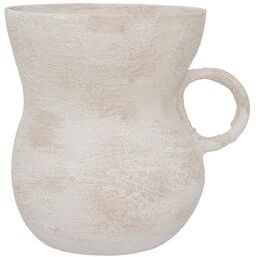
Urban Nature Culture Vase RelaxedQuiet elegancy comes to life in Urban Nature Culture's vase Relaxed. Handmade in Portugal, this ceramic vase has a shape beyond anything you've seen - it's organic, it flows and steals your heart with its playful ear.123,40 $*Shipping: 0,00 $Secure redirect to the provider
-
Urban Nature Culture Vase Talvi - WhiteFloating the sea waves, a sense of calm takes over, feeling at home in the world. That same feeling we get at home, like a safe haven to relax our senses and feast our eyes on our most cherished things.267,80 $*Shipping: 0,00 $Secure redirect to the provider



-
How did paganism originate?
Paganism is a term used to describe various pre-Christian religious beliefs and practices. The origins of paganism can be traced back to ancient civilizations such as the Greeks, Romans, Egyptians, and Celts, who worshipped a variety of gods and goddesses associated with nature, fertility, and the elements. These beliefs were passed down through oral traditions and rituals, evolving over time as different cultures interacted and exchanged ideas. Paganism eventually declined with the spread of Christianity and other monotheistic religions, but has experienced a revival in modern times as people seek to reconnect with nature and ancient spiritual practices. **
-
How is paganism explained?
Paganism is a term used to describe a wide range of spiritual and religious beliefs that are not part of the major world religions such as Christianity, Islam, or Judaism. It encompasses a diverse set of traditions, including Wicca, Druidry, Heathenry, and various forms of polytheism. Paganism is often characterized by a reverence for nature, a focus on the cycles of the seasons, and a belief in multiple deities or a divine force that is immanent in the natural world. Followers of pagan traditions may engage in rituals, ceremonies, and practices that are aimed at connecting with the natural world and the divine. **
-
How can I join Paganism?
To join Paganism, you can start by researching different Pagan traditions and finding one that resonates with you. You can then reach out to local Pagan groups or covens to connect with like-minded individuals and learn more about their practices. It's important to approach Paganism with an open mind, respect for nature, and a willingness to learn and grow spiritually. Remember that Paganism is a diverse and individualized spiritual path, so feel free to explore and find what works best for you. **
-
How can I join paganism?
To join paganism, you can start by researching different pagan traditions and finding one that resonates with you. You can then reach out to local pagan groups or covens to connect with like-minded individuals and learn more about their practices. It's important to approach paganism with an open mind and a willingness to learn and grow spiritually. Remember that paganism is a diverse and individualistic path, so feel free to explore and find what works best for you. **

What are symbols in paganism?
Symbols in paganism are objects, images, or representations that hold significant meaning and are used to convey spiritual concepts or ideas. These symbols can vary depending on the specific tradition or belief system within paganism, but some common examples include the pentacle, the triple moon, the tree of life, and various animal totems. These symbols are often used in rituals, ceremonies, and as tools for meditation to help practitioners connect with the divine and the natural world. **
Do you fast in Wicca-Paganism?
Fasting is not a common practice in Wicca-Paganism, but some individuals may choose to fast as a form of spiritual discipline or to enhance their connection with deity during certain rituals or ceremonies. Fasting is a personal choice and not a requirement in Wicca-Paganism. The focus in Wicca-Paganism is more on connecting with nature, honoring the cycles of the seasons, and working with energy through rituals and spells. **
Top-Angebote
Products related to Paganism:
-
Urban Nature Culture Vase RelaxedQuiet elegancy comes to life in Urban Nature Culture's vase Relaxed. Handmade in Portugal, this ceramic vase has a shape beyond anything you've seen - it's organic, it flows and steals your heart with its playful ear.123,40 $*Shipping: 0,00 $Secure redirect to the provider
-
What is the difference between Paganism and Celtic culture?
Paganism is a broad term that encompasses various spiritual beliefs and practices that are not part of the major world religions. Celtic culture, on the other hand, refers specifically to the culture, traditions, and beliefs of the ancient Celtic people who lived in parts of Europe, particularly Ireland, Scotland, and Wales. While Celtic culture may have included elements of Paganism, not all aspects of Celtic culture were necessarily tied to Pagan beliefs. Paganism is a more general term that can encompass a variety of different cultural and spiritual practices, while Celtic culture is more specific to the traditions of the ancient Celtic peoples. **
-
What is paganism?
Paganism is a term used to describe a diverse range of spiritual and religious beliefs that are typically nature-based and predate the major organized religions. It encompasses various traditions, such as Wicca, Druidry, and Heathenry, that often involve reverence for the Earth, multiple deities, and rituals that connect practitioners with the natural world. Paganism is characterized by its emphasis on personal spiritual experience, individual autonomy, and a deep respect for the interconnectedness of all living beings. It is a broad umbrella term that can encompass a wide array of beliefs and practices. **
-
How did paganism originate?
Paganism is a term used to describe various pre-Christian religious beliefs and practices. The origins of paganism can be traced back to ancient civilizations such as the Greeks, Romans, Egyptians, and Celts, who worshipped a variety of gods and goddesses associated with nature, fertility, and the elements. These beliefs were passed down through oral traditions and rituals, evolving over time as different cultures interacted and exchanged ideas. Paganism eventually declined with the spread of Christianity and other monotheistic religions, but has experienced a revival in modern times as people seek to reconnect with nature and ancient spiritual practices. **
-
How is paganism explained?
Paganism is a term used to describe a wide range of spiritual and religious beliefs that are not part of the major world religions such as Christianity, Islam, or Judaism. It encompasses a diverse set of traditions, including Wicca, Druidry, Heathenry, and various forms of polytheism. Paganism is often characterized by a reverence for nature, a focus on the cycles of the seasons, and a belief in multiple deities or a divine force that is immanent in the natural world. Followers of pagan traditions may engage in rituals, ceremonies, and practices that are aimed at connecting with the natural world and the divine. **
Similar search terms for Paganism
-
Urban Nature Culture Vase Talvi - WhiteFloating the sea waves, a sense of calm takes over, feeling at home in the world. That same feeling we get at home, like a safe haven to relax our senses and feast our eyes on our most cherished things.267,80 $*Shipping: 0,00 $Secure redirect to the provider
-
Urban Nature Culture Vase Ace - AceSetting forth a tradition that is centuries old, pottery has ever been one of Portugal's trades. Urban Nature Culture loves to work with Portuguese artisans - who use their skills to combine modern looks and contemporary design with techniques of old.145,60 $*Shipping: 0,00 $Secure redirect to the provider
-
How can I join Paganism?
To join Paganism, you can start by researching different Pagan traditions and finding one that resonates with you. You can then reach out to local Pagan groups or covens to connect with like-minded individuals and learn more about their practices. It's important to approach Paganism with an open mind, respect for nature, and a willingness to learn and grow spiritually. Remember that Paganism is a diverse and individualized spiritual path, so feel free to explore and find what works best for you. **
-
How can I join paganism?
To join paganism, you can start by researching different pagan traditions and finding one that resonates with you. You can then reach out to local pagan groups or covens to connect with like-minded individuals and learn more about their practices. It's important to approach paganism with an open mind and a willingness to learn and grow spiritually. Remember that paganism is a diverse and individualistic path, so feel free to explore and find what works best for you. **
-
What are symbols in paganism?
Symbols in paganism are objects, images, or representations that hold significant meaning and are used to convey spiritual concepts or ideas. These symbols can vary depending on the specific tradition or belief system within paganism, but some common examples include the pentacle, the triple moon, the tree of life, and various animal totems. These symbols are often used in rituals, ceremonies, and as tools for meditation to help practitioners connect with the divine and the natural world. **
-
Do you fast in Wicca-Paganism?
Fasting is not a common practice in Wicca-Paganism, but some individuals may choose to fast as a form of spiritual discipline or to enhance their connection with deity during certain rituals or ceremonies. Fasting is a personal choice and not a requirement in Wicca-Paganism. The focus in Wicca-Paganism is more on connecting with nature, honoring the cycles of the seasons, and working with energy through rituals and spells. **
* All prices are inclusive of VAT and, if applicable, plus shipping costs. The offer information is based on the details provided by the respective shop and is updated through automated processes. Real-time updates do not occur, so deviations can occur in individual cases. ** Note: Parts of this content were created by AI.