Buy baleares.info ?
We are moving the project
baleares.info .
Are you interested in purchasing the domain
baleares.info ?
domain@kv-gmbh.de · 0541-91531010
Buy baleares.info ?
How do the semi-nomadic and semi-nomadic people live?
Semi-nomadic and semi-nomadic people live a lifestyle that combines elements of both settled and nomadic living. They may have a home base or settlement where they live for part of the year, engaging in agriculture or other settled activities. However, they also engage in nomadic practices such as herding animals or seasonal migration to take advantage of different resources. This lifestyle allows them to adapt to changing environmental conditions and maintain a balance between settled and nomadic ways of life. **
What are nomadic peoples?
Nomadic peoples are communities or groups of people who do not have a fixed home and constantly move from place to place in search of resources such as food, water, and shelter. They typically live in temporary dwellings such as tents or portable huts and rely on herding animals or hunting and gathering for their sustenance. Nomadic lifestyles have been practiced for thousands of years by various cultures around the world, adapting to different environments and climates. **


Similar search terms for Nomadic
Top-Angebote
Products related to Nomadic:
-
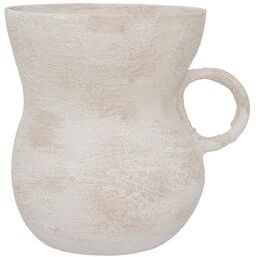
Urban Nature Culture Vase RelaxedQuiet elegancy comes to life in Urban Nature Culture's vase Relaxed. Handmade in Portugal, this ceramic vase has a shape beyond anything you've seen - it's organic, it flows and steals your heart with its playful ear.123,40 $*Shipping: 0,00 $Secure redirect to the provider
-
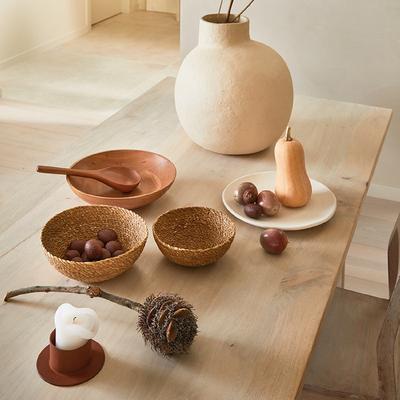
Urban Nature Culture Vase Ace - AceSetting forth a tradition that is centuries old, pottery has ever been one of Portugal's trades. Urban Nature Culture loves to work with Portuguese artisans - who use their skills to combine modern looks and contemporary design with techniques of old.145,60 $*Shipping: 0,00 $Secure redirect to the provider


-
What is nomadic livestock farming?
Nomadic livestock farming is a form of animal husbandry where herders move their livestock from one grazing area to another in search of fresh pasture and water. This practice is common in arid and semi-arid regions where vegetation is sparse and unpredictable. Nomadic herders rely on traditional knowledge and sustainable practices to ensure the well-being of their animals and to maintain a balance with the environment. This lifestyle has been practiced for centuries and is an integral part of the cultural identity of many communities around the world. **
-
Were there nomadic Germanic tribes?
Yes, there were nomadic Germanic tribes. The Germanic peoples were originally semi-nomadic, moving from place to place in search of better land for farming and grazing. They were known for their mobile lifestyle and often traveled with their herds of animals. However, as they settled in different regions of Europe, some Germanic tribes became more sedentary and established permanent settlements. **
-
What are nomadic horseback riding peoples?
Nomadic horseback riding peoples are groups of people who rely on horses for transportation, hunting, and herding livestock as they move from place to place in search of resources. These groups are typically semi-nomadic, meaning they have a home base but also travel seasonally to different areas. They have a deep connection to their horses and often have a unique way of life centered around horsemanship and equestrian skills. Examples of nomadic horseback riding peoples include the Mongols, Bedouins, and Native American tribes like the Comanche. **
-
Are budgerigars sedentary birds, migratory birds, or nomadic birds?
Budgerigars are considered nomadic birds. They are known to move in search of food and water, and their movements are often influenced by changes in weather and resource availability. While they do not have a set migration pattern like some bird species, they are not sedentary and can cover large distances in search of suitable habitats. **

Which islands have hardly any binge-drinking tourism?
Islands such as Bora Bora, Seychelles, and the Maldives have hardly any binge-drinking tourism. These destinations are known for their luxury resorts, pristine beaches, and focus on relaxation and wellness rather than partying and excessive drinking. Visitors to these islands typically come to unwind, enjoy the natural beauty, and indulge in activities such as spa treatments, water sports, and romantic dinners. Overall, these islands offer a more tranquil and upscale experience, attracting travelers seeking a peaceful and rejuvenating vacation. **
Which people belong to modern nomads and what are the advantages and disadvantages of the nomadic lifestyle?
Modern nomads can include digital nomads, van lifers, and people who travel frequently for work or leisure. The advantages of the nomadic lifestyle include the freedom to explore new places, flexibility in work and living arrangements, and the opportunity to experience different cultures. However, the disadvantages can include instability, lack of a permanent community, and the challenges of finding consistent work and housing. Overall, the nomadic lifestyle offers a unique and adventurous way of living, but it also comes with its own set of challenges. **
Top-Angebote
Products related to Nomadic:
-
Urban Nature Culture Vase RelaxedQuiet elegancy comes to life in Urban Nature Culture's vase Relaxed. Handmade in Portugal, this ceramic vase has a shape beyond anything you've seen - it's organic, it flows and steals your heart with its playful ear.123,40 $*Shipping: 0,00 $Secure redirect to the provider
-
How do the semi-nomadic and semi-nomadic people live?
Semi-nomadic and semi-nomadic people live a lifestyle that combines elements of both settled and nomadic living. They may have a home base or settlement where they live for part of the year, engaging in agriculture or other settled activities. However, they also engage in nomadic practices such as herding animals or seasonal migration to take advantage of different resources. This lifestyle allows them to adapt to changing environmental conditions and maintain a balance between settled and nomadic ways of life. **
-
What are nomadic peoples?
Nomadic peoples are communities or groups of people who do not have a fixed home and constantly move from place to place in search of resources such as food, water, and shelter. They typically live in temporary dwellings such as tents or portable huts and rely on herding animals or hunting and gathering for their sustenance. Nomadic lifestyles have been practiced for thousands of years by various cultures around the world, adapting to different environments and climates. **
-
What is nomadic livestock farming?
Nomadic livestock farming is a form of animal husbandry where herders move their livestock from one grazing area to another in search of fresh pasture and water. This practice is common in arid and semi-arid regions where vegetation is sparse and unpredictable. Nomadic herders rely on traditional knowledge and sustainable practices to ensure the well-being of their animals and to maintain a balance with the environment. This lifestyle has been practiced for centuries and is an integral part of the cultural identity of many communities around the world. **
-
Were there nomadic Germanic tribes?
Yes, there were nomadic Germanic tribes. The Germanic peoples were originally semi-nomadic, moving from place to place in search of better land for farming and grazing. They were known for their mobile lifestyle and often traveled with their herds of animals. However, as they settled in different regions of Europe, some Germanic tribes became more sedentary and established permanent settlements. **
Similar search terms for Nomadic
-
Urban Nature Culture Vase Ace - AceSetting forth a tradition that is centuries old, pottery has ever been one of Portugal's trades. Urban Nature Culture loves to work with Portuguese artisans - who use their skills to combine modern looks and contemporary design with techniques of old.145,60 $*Shipping: 0,00 $Secure redirect to the provider
-
Urban Nature Culture Vase Talvi - WhiteFloating the sea waves, a sense of calm takes over, feeling at home in the world. That same feeling we get at home, like a safe haven to relax our senses and feast our eyes on our most cherished things.267,80 $*Shipping: 0,00 $Secure redirect to the provider
-
What are nomadic horseback riding peoples?
Nomadic horseback riding peoples are groups of people who rely on horses for transportation, hunting, and herding livestock as they move from place to place in search of resources. These groups are typically semi-nomadic, meaning they have a home base but also travel seasonally to different areas. They have a deep connection to their horses and often have a unique way of life centered around horsemanship and equestrian skills. Examples of nomadic horseback riding peoples include the Mongols, Bedouins, and Native American tribes like the Comanche. **
-
Are budgerigars sedentary birds, migratory birds, or nomadic birds?
Budgerigars are considered nomadic birds. They are known to move in search of food and water, and their movements are often influenced by changes in weather and resource availability. While they do not have a set migration pattern like some bird species, they are not sedentary and can cover large distances in search of suitable habitats. **
-
Which islands have hardly any binge-drinking tourism?
Islands such as Bora Bora, Seychelles, and the Maldives have hardly any binge-drinking tourism. These destinations are known for their luxury resorts, pristine beaches, and focus on relaxation and wellness rather than partying and excessive drinking. Visitors to these islands typically come to unwind, enjoy the natural beauty, and indulge in activities such as spa treatments, water sports, and romantic dinners. Overall, these islands offer a more tranquil and upscale experience, attracting travelers seeking a peaceful and rejuvenating vacation. **
-
Which people belong to modern nomads and what are the advantages and disadvantages of the nomadic lifestyle?
Modern nomads can include digital nomads, van lifers, and people who travel frequently for work or leisure. The advantages of the nomadic lifestyle include the freedom to explore new places, flexibility in work and living arrangements, and the opportunity to experience different cultures. However, the disadvantages can include instability, lack of a permanent community, and the challenges of finding consistent work and housing. Overall, the nomadic lifestyle offers a unique and adventurous way of living, but it also comes with its own set of challenges. **
* All prices are inclusive of VAT and, if applicable, plus shipping costs. The offer information is based on the details provided by the respective shop and is updated through automated processes. Real-time updates do not occur, so deviations can occur in individual cases. ** Note: Parts of this content were created by AI.