Buy baleares.info ?
We are moving the project
baleares.info .
Are you interested in purchasing the domain
baleares.info ?
domain@kv-gmbh.de · 0541-91531010
Buy baleares.info ?
What happens after mycelium has formed?
After mycelium has formed, it continues to grow and spread through its environment in search of nutrients. As it grows, it may come into contact with other mycelium networks and form connections, creating a larger fungal network. Eventually, the mycelium may produce fruiting bodies such as mushrooms, which are the reproductive structures of the fungus. These mushrooms release spores, allowing the fungus to reproduce and continue its life cycle. **
What is a fungal mycelium made of?
A fungal mycelium is made of a network of thread-like structures called hyphae. These hyphae are composed of long, branching chains of cells that make up the body of the fungus. The mycelium acts as the main vegetative part of the fungus, responsible for absorbing nutrients from its environment and supporting the growth and reproduction of the organism. The interconnected network of hyphae allows the mycelium to spread and colonize its substrate, whether it be soil, wood, or another organic material. **
Similar search terms for Mycelium
Top-Angebote
Products related to Mycelium:
-
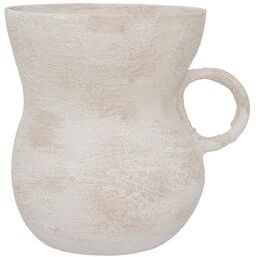
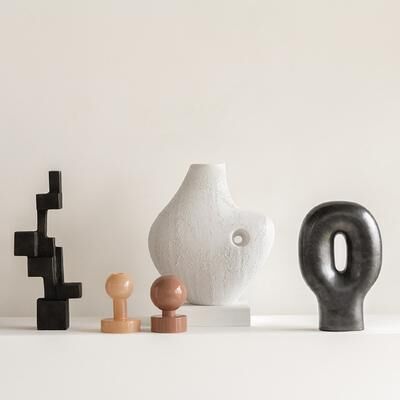
Urban Nature Culture Vase RelaxedQuiet elegancy comes to life in Urban Nature Culture's vase Relaxed. Handmade in Portugal, this ceramic vase has a shape beyond anything you've seen - it's organic, it flows and steals your heart with its playful ear.123,40 $*Shipping: 0,00 $Secure redirect to the provider
-
Urban Nature Culture Vase Ace - AceSetting forth a tradition that is centuries old, pottery has ever been one of Portugal's trades. Urban Nature Culture loves to work with Portuguese artisans - who use their skills to combine modern looks and contemporary design with techniques of old.145,60 $*Shipping: 0,00 $Secure redirect to the provider


-
Do mushroom mycelium die at sub-zero temperatures?
Mushroom mycelium can survive at sub-zero temperatures, but they may become dormant or slow down their growth. Some species of mushroom mycelium are adapted to cold temperatures and can even thrive in sub-zero conditions. However, extreme cold can still damage or kill the mycelium, especially if it is not acclimated to such conditions. Overall, while some mushroom mycelium can survive sub-zero temperatures, it depends on the specific species and their ability to adapt to cold environments. **
-
How can one distinguish the mycelium of a mushroom from mold?
One way to distinguish the mycelium of a mushroom from mold is by looking at the color and texture. Mycelium of a mushroom is typically white or light-colored and has a fluffy or cotton-like appearance. Mold, on the other hand, can be various colors such as green, black, or gray, and may appear fuzzy or slimy. Additionally, mycelium of a mushroom is usually found growing in a specific pattern around the base of the mushroom, while mold can spread rapidly and cover a larger area. **
-
How can one distinguish the mushroom mycelium from mold on a mushroom?
Mycelium is the vegetative part of a fungus and is typically found growing within the substrate of the mushroom. It appears as a network of white, thread-like strands. Mold, on the other hand, is a type of fungus that can grow on the surface of the mushroom and appears as fuzzy, discolored patches. Additionally, mycelium is essential for the growth and development of the mushroom, while mold can be harmful and lead to spoilage. Therefore, by observing the location and appearance of the growth, one can distinguish between mycelium and mold on a mushroom. **
-
Which islands have hardly any binge-drinking tourism?
Islands such as Bora Bora, Seychelles, and the Maldives have hardly any binge-drinking tourism. These destinations are known for their luxury resorts, pristine beaches, and focus on relaxation and wellness rather than partying and excessive drinking. Visitors to these islands typically come to unwind, enjoy the natural beauty, and indulge in activities such as spa treatments, water sports, and romantic dinners. Overall, these islands offer a more tranquil and upscale experience, attracting travelers seeking a peaceful and rejuvenating vacation. **
Why can cultivated mushrooms only be harvested 3 times? Do the mycelium die? What about wild mushrooms?
Cultivated mushrooms can only be harvested 3 times because after that, the mycelium, which is the vegetative part of the fungus, becomes depleted of nutrients and loses its ability to produce mushrooms. The mycelium itself does not die, but it becomes less productive. In the case of wild mushrooms, they can continue to produce mushrooms for many years because they are able to access a wider range of nutrients and resources in their natural environment. Additionally, wild mushrooms have evolved to thrive in their specific ecological niche, allowing them to continue producing mushrooms over a longer period of time. **
Which islands have little to no binge-drinking tourism?
Islands such as Bora Bora, Seychelles, and Maldives have little to no binge-drinking tourism. These islands are known for their luxury resorts, pristine beaches, and focus on relaxation and wellness rather than partying. Visitors to these destinations are more likely to indulge in spa treatments, water sports, and cultural experiences rather than excessive drinking. The tranquil and serene atmosphere of these islands attracts a more upscale and discerning clientele seeking a peaceful and rejuvenating vacation. **
Top-Angebote
Products related to Mycelium:
-
Urban Nature Culture Vase RelaxedQuiet elegancy comes to life in Urban Nature Culture's vase Relaxed. Handmade in Portugal, this ceramic vase has a shape beyond anything you've seen - it's organic, it flows and steals your heart with its playful ear.123,40 $*Shipping: 0,00 $Secure redirect to the provider
-
What happens after mycelium has formed?
After mycelium has formed, it continues to grow and spread through its environment in search of nutrients. As it grows, it may come into contact with other mycelium networks and form connections, creating a larger fungal network. Eventually, the mycelium may produce fruiting bodies such as mushrooms, which are the reproductive structures of the fungus. These mushrooms release spores, allowing the fungus to reproduce and continue its life cycle. **
-
What is a fungal mycelium made of?
A fungal mycelium is made of a network of thread-like structures called hyphae. These hyphae are composed of long, branching chains of cells that make up the body of the fungus. The mycelium acts as the main vegetative part of the fungus, responsible for absorbing nutrients from its environment and supporting the growth and reproduction of the organism. The interconnected network of hyphae allows the mycelium to spread and colonize its substrate, whether it be soil, wood, or another organic material. **
-
Do mushroom mycelium die at sub-zero temperatures?
Mushroom mycelium can survive at sub-zero temperatures, but they may become dormant or slow down their growth. Some species of mushroom mycelium are adapted to cold temperatures and can even thrive in sub-zero conditions. However, extreme cold can still damage or kill the mycelium, especially if it is not acclimated to such conditions. Overall, while some mushroom mycelium can survive sub-zero temperatures, it depends on the specific species and their ability to adapt to cold environments. **
-
How can one distinguish the mycelium of a mushroom from mold?
One way to distinguish the mycelium of a mushroom from mold is by looking at the color and texture. Mycelium of a mushroom is typically white or light-colored and has a fluffy or cotton-like appearance. Mold, on the other hand, can be various colors such as green, black, or gray, and may appear fuzzy or slimy. Additionally, mycelium of a mushroom is usually found growing in a specific pattern around the base of the mushroom, while mold can spread rapidly and cover a larger area. **
Similar search terms for Mycelium
-
Urban Nature Culture Vase Ace - AceSetting forth a tradition that is centuries old, pottery has ever been one of Portugal's trades. Urban Nature Culture loves to work with Portuguese artisans - who use their skills to combine modern looks and contemporary design with techniques of old.145,60 $*Shipping: 0,00 $Secure redirect to the provider
-
Urban Nature Culture Vase Talvi - WhiteFloating the sea waves, a sense of calm takes over, feeling at home in the world. That same feeling we get at home, like a safe haven to relax our senses and feast our eyes on our most cherished things.267,80 $*Shipping: 0,00 $Secure redirect to the provider
-
How can one distinguish the mushroom mycelium from mold on a mushroom?
Mycelium is the vegetative part of a fungus and is typically found growing within the substrate of the mushroom. It appears as a network of white, thread-like strands. Mold, on the other hand, is a type of fungus that can grow on the surface of the mushroom and appears as fuzzy, discolored patches. Additionally, mycelium is essential for the growth and development of the mushroom, while mold can be harmful and lead to spoilage. Therefore, by observing the location and appearance of the growth, one can distinguish between mycelium and mold on a mushroom. **
-
Which islands have hardly any binge-drinking tourism?
Islands such as Bora Bora, Seychelles, and the Maldives have hardly any binge-drinking tourism. These destinations are known for their luxury resorts, pristine beaches, and focus on relaxation and wellness rather than partying and excessive drinking. Visitors to these islands typically come to unwind, enjoy the natural beauty, and indulge in activities such as spa treatments, water sports, and romantic dinners. Overall, these islands offer a more tranquil and upscale experience, attracting travelers seeking a peaceful and rejuvenating vacation. **
-
Why can cultivated mushrooms only be harvested 3 times? Do the mycelium die? What about wild mushrooms?
Cultivated mushrooms can only be harvested 3 times because after that, the mycelium, which is the vegetative part of the fungus, becomes depleted of nutrients and loses its ability to produce mushrooms. The mycelium itself does not die, but it becomes less productive. In the case of wild mushrooms, they can continue to produce mushrooms for many years because they are able to access a wider range of nutrients and resources in their natural environment. Additionally, wild mushrooms have evolved to thrive in their specific ecological niche, allowing them to continue producing mushrooms over a longer period of time. **
-
Which islands have little to no binge-drinking tourism?
Islands such as Bora Bora, Seychelles, and Maldives have little to no binge-drinking tourism. These islands are known for their luxury resorts, pristine beaches, and focus on relaxation and wellness rather than partying. Visitors to these destinations are more likely to indulge in spa treatments, water sports, and cultural experiences rather than excessive drinking. The tranquil and serene atmosphere of these islands attracts a more upscale and discerning clientele seeking a peaceful and rejuvenating vacation. **
* All prices are inclusive of VAT and, if applicable, plus shipping costs. The offer information is based on the details provided by the respective shop and is updated through automated processes. Real-time updates do not occur, so deviations can occur in individual cases. ** Note: Parts of this content were created by AI.