Buy baleares.info ?
We are moving the project
baleares.info .
Are you interested in purchasing the domain
baleares.info ?
domain@kv-gmbh.de · 0541-91531010
Buy baleares.info ?
Which solution is hypertonic?
The solution with a higher concentration of solutes is hypertonic. This means that there are more solute particles outside the cell than inside, causing water to move out of the cell in an attempt to balance the concentration. As a result, the cell may shrink or shrivel due to the loss of water. **
Is tap water isotonic, hypertonic, or hypotonic?
Tap water is hypotonic. This means that it has a lower concentration of solutes compared to the inside of a cell. When a cell is placed in hypotonic solution, water will move into the cell in an attempt to equalize the concentration of solutes, potentially causing the cell to swell and burst. **

Similar search terms for Hypertonic
Top-Angebote
Products related to Hypertonic:
-
Urban Nature Culture Vase Talvi - WhiteFloating the sea waves, a sense of calm takes over, feeling at home in the world. That same feeling we get at home, like a safe haven to relax our senses and feast our eyes on our most cherished things.267,80 $*Shipping: 0,00 $Secure redirect to the provider




-
What does hypertonic and hypotonic mean in biology?
In biology, hypertonic and hypotonic refer to the concentration of solutes in a solution compared to another solution. A hypertonic solution has a higher concentration of solutes, causing water to move out of a cell through osmosis, leading to cell shrinkage. On the other hand, a hypotonic solution has a lower concentration of solutes, causing water to move into a cell through osmosis, leading to cell swelling or even bursting. These terms are important in understanding how cells maintain their internal environment and respond to changes in their surroundings. **
-
What is the meaning of the terms hypertonic and hypotonic?
Hypertonic and hypotonic are terms used to describe the concentration of solutes in a solution compared to another solution. A hypertonic solution has a higher concentration of solutes compared to another solution, causing water to move out of the cell and into the hypertonic solution, leading to cell shrinkage. On the other hand, a hypotonic solution has a lower concentration of solutes compared to another solution, causing water to move into the cell, leading to cell swelling or even bursting. These terms are commonly used in biology and physiology to describe the movement of water and solutes across cell membranes. **
-
Can you please help me with hypertonic and hypotonic solutions?
Sure! Hypertonic solutions have a higher concentration of solutes compared to the surrounding environment, causing water to move out of the cell and leading to cell shrinkage. On the other hand, hypotonic solutions have a lower concentration of solutes compared to the surrounding environment, causing water to move into the cell and leading to cell swelling or even bursting. Understanding the effects of hypertonic and hypotonic solutions is important in various biological and medical contexts, such as in understanding how cells respond to changes in their external environment and in medical treatments for conditions such as dehydration or edema. **
-
Can you explain to me what hypotonic, isotonic, and hypertonic mean?
Sure! Hypotonic, isotonic, and hypertonic are terms used to describe the concentration of solutes in a solution compared to another solution. In a hypotonic solution, the concentration of solutes is lower than that of the other solution, causing water to move into the cell, potentially leading to cell swelling or bursting. In an isotonic solution, the concentration of solutes is the same in both solutions, resulting in no net movement of water. In a hypertonic solution, the concentration of solutes is higher than that of the other solution, causing water to move out of the cell, potentially leading to cell shrinkage. **


Why is a hypotonic and hypertonic environment not a problem for a plant?
A hypotonic environment is not a problem for a plant because the plant cells have a rigid cell wall that prevents them from bursting due to excess water intake. In a hypertonic environment, the plant cells may lose water and shrink, but they can adapt by taking up water through osmosis when water becomes available. Plants have mechanisms such as osmoregulation and turgor pressure to maintain their shape and function in varying environmental conditions. **
Which islands have hardly any binge-drinking tourism?
Islands such as Bora Bora, Seychelles, and the Maldives have hardly any binge-drinking tourism. These destinations are known for their luxury resorts, pristine beaches, and focus on relaxation and wellness rather than partying and excessive drinking. Visitors to these islands typically come to unwind, enjoy the natural beauty, and indulge in activities such as spa treatments, water sports, and romantic dinners. Overall, these islands offer a more tranquil and upscale experience, attracting travelers seeking a peaceful and rejuvenating vacation. **
Top-Angebote
Products related to Hypertonic:
-
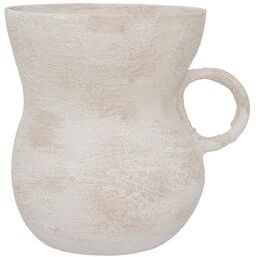
Urban Nature Culture Vase RelaxedQuiet elegancy comes to life in Urban Nature Culture's vase Relaxed. Handmade in Portugal, this ceramic vase has a shape beyond anything you've seen - it's organic, it flows and steals your heart with its playful ear.123,40 $*Shipping: 0,00 $Secure redirect to the provider
-
Which solution is hypertonic?
The solution with a higher concentration of solutes is hypertonic. This means that there are more solute particles outside the cell than inside, causing water to move out of the cell in an attempt to balance the concentration. As a result, the cell may shrink or shrivel due to the loss of water. **
-
Is tap water isotonic, hypertonic, or hypotonic?
Tap water is hypotonic. This means that it has a lower concentration of solutes compared to the inside of a cell. When a cell is placed in hypotonic solution, water will move into the cell in an attempt to equalize the concentration of solutes, potentially causing the cell to swell and burst. **
-
What does hypertonic and hypotonic mean in biology?
In biology, hypertonic and hypotonic refer to the concentration of solutes in a solution compared to another solution. A hypertonic solution has a higher concentration of solutes, causing water to move out of a cell through osmosis, leading to cell shrinkage. On the other hand, a hypotonic solution has a lower concentration of solutes, causing water to move into a cell through osmosis, leading to cell swelling or even bursting. These terms are important in understanding how cells maintain their internal environment and respond to changes in their surroundings. **
-
What is the meaning of the terms hypertonic and hypotonic?
Hypertonic and hypotonic are terms used to describe the concentration of solutes in a solution compared to another solution. A hypertonic solution has a higher concentration of solutes compared to another solution, causing water to move out of the cell and into the hypertonic solution, leading to cell shrinkage. On the other hand, a hypotonic solution has a lower concentration of solutes compared to another solution, causing water to move into the cell, leading to cell swelling or even bursting. These terms are commonly used in biology and physiology to describe the movement of water and solutes across cell membranes. **
Similar search terms for Hypertonic
-
Urban Nature Culture Vase Talvi - WhiteFloating the sea waves, a sense of calm takes over, feeling at home in the world. That same feeling we get at home, like a safe haven to relax our senses and feast our eyes on our most cherished things.267,80 $*Shipping: 0,00 $Secure redirect to the provider
-
Urban Nature Culture Vase Ace - AceSetting forth a tradition that is centuries old, pottery has ever been one of Portugal's trades. Urban Nature Culture loves to work with Portuguese artisans - who use their skills to combine modern looks and contemporary design with techniques of old.145,60 $*Shipping: 0,00 $Secure redirect to the provider
-
Can you please help me with hypertonic and hypotonic solutions?
Sure! Hypertonic solutions have a higher concentration of solutes compared to the surrounding environment, causing water to move out of the cell and leading to cell shrinkage. On the other hand, hypotonic solutions have a lower concentration of solutes compared to the surrounding environment, causing water to move into the cell and leading to cell swelling or even bursting. Understanding the effects of hypertonic and hypotonic solutions is important in various biological and medical contexts, such as in understanding how cells respond to changes in their external environment and in medical treatments for conditions such as dehydration or edema. **
-
Can you explain to me what hypotonic, isotonic, and hypertonic mean?
Sure! Hypotonic, isotonic, and hypertonic are terms used to describe the concentration of solutes in a solution compared to another solution. In a hypotonic solution, the concentration of solutes is lower than that of the other solution, causing water to move into the cell, potentially leading to cell swelling or bursting. In an isotonic solution, the concentration of solutes is the same in both solutions, resulting in no net movement of water. In a hypertonic solution, the concentration of solutes is higher than that of the other solution, causing water to move out of the cell, potentially leading to cell shrinkage. **
-
Why is a hypotonic and hypertonic environment not a problem for a plant?
A hypotonic environment is not a problem for a plant because the plant cells have a rigid cell wall that prevents them from bursting due to excess water intake. In a hypertonic environment, the plant cells may lose water and shrink, but they can adapt by taking up water through osmosis when water becomes available. Plants have mechanisms such as osmoregulation and turgor pressure to maintain their shape and function in varying environmental conditions. **
-
Which islands have hardly any binge-drinking tourism?
Islands such as Bora Bora, Seychelles, and the Maldives have hardly any binge-drinking tourism. These destinations are known for their luxury resorts, pristine beaches, and focus on relaxation and wellness rather than partying and excessive drinking. Visitors to these islands typically come to unwind, enjoy the natural beauty, and indulge in activities such as spa treatments, water sports, and romantic dinners. Overall, these islands offer a more tranquil and upscale experience, attracting travelers seeking a peaceful and rejuvenating vacation. **
* All prices are inclusive of VAT and, if applicable, plus shipping costs. The offer information is based on the details provided by the respective shop and is updated through automated processes. Real-time updates do not occur, so deviations can occur in individual cases. ** Note: Parts of this content were created by AI.