Buy baleares.info ?
We are moving the project
baleares.info .
Are you interested in purchasing the domain
baleares.info ?
domain@kv-gmbh.de · 0541-91531010
Buy baleares.info ?
What are gaiters, bandages, breastplates, and hock boots?
Gaiters are protective coverings worn over the lower legs and ankles to protect against scratches and scrapes, often used by hikers and outdoor enthusiasts. Bandages are strips of cloth or other material used to wrap around a wound or injury to provide support and protection. Breastplates are pieces of armor worn over the chest and back to protect against blows in combat or sports such as horseback riding. Hock boots are protective coverings worn on a horse's hocks to provide support and protection during physical activity. **
Do the hock joints in a horse's hind legs become loose?
Yes, the hock joints in a horse's hind legs can become loose over time due to wear and tear, injury, or conformational issues. This can lead to instability and discomfort for the horse, and may result in conditions such as arthritis or hock lameness. It is important for horse owners to monitor their horse's hock joints and address any issues promptly through proper care, exercise, and veterinary attention. **

Similar search terms for Hock
Top-Angebote
Products related to Hock:
-
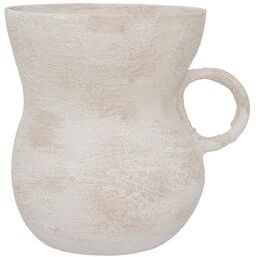
Urban Nature Culture Vase RelaxedQuiet elegancy comes to life in Urban Nature Culture's vase Relaxed. Handmade in Portugal, this ceramic vase has a shape beyond anything you've seen - it's organic, it flows and steals your heart with its playful ear.123,40 $*Shipping: 0,00 $Secure redirect to the provider
-
Urban Nature Culture Vase Ace - AceSetting forth a tradition that is centuries old, pottery has ever been one of Portugal's trades. Urban Nature Culture loves to work with Portuguese artisans - who use their skills to combine modern looks and contemporary design with techniques of old.145,60 $*Shipping: 0,00 $Secure redirect to the provider



-
How can I buy a young horse that may eventually develop a calcification in the hock?
When purchasing a young horse with the potential risk of developing a calcification in the hock, it is important to conduct a thorough pre-purchase examination with the help of a veterinarian. The vet can assess the horse's conformation, movement, and overall health to determine the likelihood of developing such issues in the future. Additionally, it is advisable to obtain a complete medical history of the horse and possibly seek the opinion of a specialist to understand the potential risks and management strategies for such conditions. Finally, consider discussing the issue with the seller and negotiating a fair price that reflects the potential future costs associated with managing the horse's condition. **
-
How can I buy a young horse that may eventually develop calcification in the hock joint?
When purchasing a young horse that may eventually develop calcification in the hock joint, it is important to have a pre-purchase veterinary exam done by a qualified veterinarian. During the exam, the vet can assess the horse's conformation, movement, and overall health to determine the likelihood of developing hock issues in the future. Additionally, it is advisable to obtain a complete medical history of the horse, including any previous injuries or treatments. Finally, consider working with a reputable seller or breeder who can provide information on the horse's lineage and any potential genetic predispositions to hock issues. **
-
How do you treat a hock joint inflammation in a horse kept in an open stable?
To treat hock joint inflammation in a horse kept in an open stable, it is important to first consult with a veterinarian for a proper diagnosis and treatment plan. The horse should be provided with a clean, dry, and comfortable environment to help reduce inflammation and promote healing. Cold therapy, such as applying ice packs or cold hosing, can help reduce swelling and pain. Additionally, the horse may need to be given anti-inflammatory medication or joint supplements as prescribed by the veterinarian. It is also important to monitor the horse's movement and activity level to prevent further aggravation of the hock joint. **
-
Which islands have hardly any binge-drinking tourism?
Islands such as Bora Bora, Seychelles, and the Maldives have hardly any binge-drinking tourism. These destinations are known for their luxury resorts, pristine beaches, and focus on relaxation and wellness rather than partying and excessive drinking. Visitors to these islands typically come to unwind, enjoy the natural beauty, and indulge in activities such as spa treatments, water sports, and romantic dinners. Overall, these islands offer a more tranquil and upscale experience, attracting travelers seeking a peaceful and rejuvenating vacation. **
Which islands have little to no binge-drinking tourism?
Islands such as Bora Bora, Seychelles, and Maldives have little to no binge-drinking tourism. These islands are known for their luxury resorts, pristine beaches, and focus on relaxation and wellness rather than partying. Visitors to these destinations are more likely to indulge in spa treatments, water sports, and cultural experiences rather than excessive drinking. The tranquil and serene atmosphere of these islands attracts a more upscale and discerning clientele seeking a peaceful and rejuvenating vacation. **
Has anyone had experience with a hock joint inflammation in a horse where no improvement is in sight?
Yes, some horse owners and veterinarians have experienced cases of hock joint inflammation in horses where no improvement is seen despite various treatments. In such cases, it is important to work closely with a veterinarian to explore all possible treatment options, which may include anti-inflammatory medications, joint injections, physical therapy, and potentially surgery. It is crucial to monitor the horse's condition closely and make decisions based on their quality of life and overall well-being. **
Top-Angebote
Products related to Hock:
-
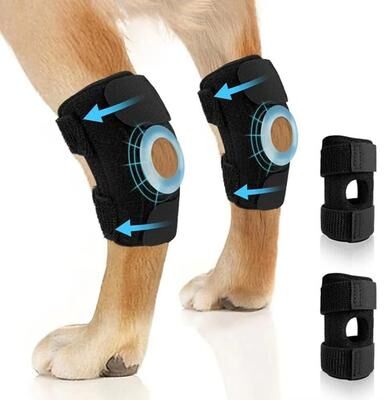
Friendly Fresh Finds Dogs Knee Pads, Leg Support Brace, Arthritis Protector Covers, Hock Joint Wrap, Injury Recovery Supplies lGentle Support for Your Dogs Joints Give your furry friend comfort and protection with this 1 Pair For Dogs Knee Pads. Designed to provide gentle cushioning and stability, these pads help prevent discomfort from arthritis, injury, or overactivity,...29,97 $*Shipping: 0,00 $Secure redirect to the provider
-
Urban Nature Culture Vase RelaxedQuiet elegancy comes to life in Urban Nature Culture's vase Relaxed. Handmade in Portugal, this ceramic vase has a shape beyond anything you've seen - it's organic, it flows and steals your heart with its playful ear.123,40 $*Shipping: 0,00 $Secure redirect to the provider
-
What are gaiters, bandages, breastplates, and hock boots?
Gaiters are protective coverings worn over the lower legs and ankles to protect against scratches and scrapes, often used by hikers and outdoor enthusiasts. Bandages are strips of cloth or other material used to wrap around a wound or injury to provide support and protection. Breastplates are pieces of armor worn over the chest and back to protect against blows in combat or sports such as horseback riding. Hock boots are protective coverings worn on a horse's hocks to provide support and protection during physical activity. **
-
Do the hock joints in a horse's hind legs become loose?
Yes, the hock joints in a horse's hind legs can become loose over time due to wear and tear, injury, or conformational issues. This can lead to instability and discomfort for the horse, and may result in conditions such as arthritis or hock lameness. It is important for horse owners to monitor their horse's hock joints and address any issues promptly through proper care, exercise, and veterinary attention. **
-
How can I buy a young horse that may eventually develop a calcification in the hock?
When purchasing a young horse with the potential risk of developing a calcification in the hock, it is important to conduct a thorough pre-purchase examination with the help of a veterinarian. The vet can assess the horse's conformation, movement, and overall health to determine the likelihood of developing such issues in the future. Additionally, it is advisable to obtain a complete medical history of the horse and possibly seek the opinion of a specialist to understand the potential risks and management strategies for such conditions. Finally, consider discussing the issue with the seller and negotiating a fair price that reflects the potential future costs associated with managing the horse's condition. **
-
How can I buy a young horse that may eventually develop calcification in the hock joint?
When purchasing a young horse that may eventually develop calcification in the hock joint, it is important to have a pre-purchase veterinary exam done by a qualified veterinarian. During the exam, the vet can assess the horse's conformation, movement, and overall health to determine the likelihood of developing hock issues in the future. Additionally, it is advisable to obtain a complete medical history of the horse, including any previous injuries or treatments. Finally, consider working with a reputable seller or breeder who can provide information on the horse's lineage and any potential genetic predispositions to hock issues. **
Similar search terms for Hock
-
Urban Nature Culture Vase Ace - AceSetting forth a tradition that is centuries old, pottery has ever been one of Portugal's trades. Urban Nature Culture loves to work with Portuguese artisans - who use their skills to combine modern looks and contemporary design with techniques of old.145,60 $*Shipping: 0,00 $Secure redirect to the provider
-
Urban Nature Culture Vase Talvi - WhiteFloating the sea waves, a sense of calm takes over, feeling at home in the world. That same feeling we get at home, like a safe haven to relax our senses and feast our eyes on our most cherished things.267,80 $*Shipping: 0,00 $Secure redirect to the provider
-
How do you treat a hock joint inflammation in a horse kept in an open stable?
To treat hock joint inflammation in a horse kept in an open stable, it is important to first consult with a veterinarian for a proper diagnosis and treatment plan. The horse should be provided with a clean, dry, and comfortable environment to help reduce inflammation and promote healing. Cold therapy, such as applying ice packs or cold hosing, can help reduce swelling and pain. Additionally, the horse may need to be given anti-inflammatory medication or joint supplements as prescribed by the veterinarian. It is also important to monitor the horse's movement and activity level to prevent further aggravation of the hock joint. **
-
Which islands have hardly any binge-drinking tourism?
Islands such as Bora Bora, Seychelles, and the Maldives have hardly any binge-drinking tourism. These destinations are known for their luxury resorts, pristine beaches, and focus on relaxation and wellness rather than partying and excessive drinking. Visitors to these islands typically come to unwind, enjoy the natural beauty, and indulge in activities such as spa treatments, water sports, and romantic dinners. Overall, these islands offer a more tranquil and upscale experience, attracting travelers seeking a peaceful and rejuvenating vacation. **
-
Which islands have little to no binge-drinking tourism?
Islands such as Bora Bora, Seychelles, and Maldives have little to no binge-drinking tourism. These islands are known for their luxury resorts, pristine beaches, and focus on relaxation and wellness rather than partying. Visitors to these destinations are more likely to indulge in spa treatments, water sports, and cultural experiences rather than excessive drinking. The tranquil and serene atmosphere of these islands attracts a more upscale and discerning clientele seeking a peaceful and rejuvenating vacation. **
-
Has anyone had experience with a hock joint inflammation in a horse where no improvement is in sight?
Yes, some horse owners and veterinarians have experienced cases of hock joint inflammation in horses where no improvement is seen despite various treatments. In such cases, it is important to work closely with a veterinarian to explore all possible treatment options, which may include anti-inflammatory medications, joint injections, physical therapy, and potentially surgery. It is crucial to monitor the horse's condition closely and make decisions based on their quality of life and overall well-being. **
* All prices are inclusive of VAT and, if applicable, plus shipping costs. The offer information is based on the details provided by the respective shop and is updated through automated processes. Real-time updates do not occur, so deviations can occur in individual cases. ** Note: Parts of this content were created by AI.