Buy baleares.info ?
We are moving the project
baleares.info .
Are you interested in purchasing the domain
baleares.info ?
domain@kv-gmbh.de · 0541-91531010
Buy baleares.info ?
What are the epistemological implications?
The epistemological implications of a question or topic refer to the ways in which it challenges or shapes our understanding of knowledge and how we come to know things. When considering the epistemological implications of a question, we are examining how it challenges our assumptions about what can be known, how it can be known, and the limits of our knowledge. This can lead to a deeper understanding of the nature of knowledge, the methods of inquiry, and the ways in which we construct and validate knowledge claims. In essence, considering the epistemological implications of a question prompts us to critically reflect on the nature and limitations of human knowledge. **
What is the difference between epistemological and ontological naturalism?
Epistemological naturalism is the belief that knowledge and understanding of the world should be based on naturalistic explanations and evidence, such as scientific inquiry and empirical observation. It focuses on how we come to know and understand the world around us. Ontological naturalism, on the other hand, is the belief that the natural world is all that exists, and that there are no supernatural or non-natural entities or forces. It focuses on the nature of reality and what exists in the world. In summary, epistemological naturalism is about how we know, while ontological naturalism is about what exists. **


Similar search terms for Epistemological
Top-Angebote
Products related to Epistemological:
-
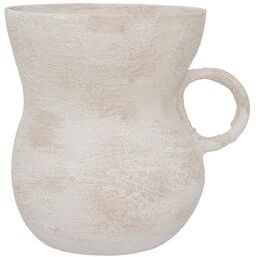
Urban Nature Culture Vase RelaxedQuiet elegancy comes to life in Urban Nature Culture's vase Relaxed. Handmade in Portugal, this ceramic vase has a shape beyond anything you've seen - it's organic, it flows and steals your heart with its playful ear.123,40 $*Shipping: 0,00 $Secure redirect to the provider
-
Urban Nature Culture Vase Ace - AceSetting forth a tradition that is centuries old, pottery has ever been one of Portugal's trades. Urban Nature Culture loves to work with Portuguese artisans - who use their skills to combine modern looks and contemporary design with techniques of old.145,60 $*Shipping: 0,00 $Secure redirect to the provider
-
Urban Nature Culture Vase Talvi - WhiteFloating the sea waves, a sense of calm takes over, feeling at home in the world. That same feeling we get at home, like a safe haven to relax our senses and feast our eyes on our most cherished things.267,80 $*Shipping: 0,00 $Secure redirect to the provider



-
How can one compare the epistemological theories of Descartes and Hobbes?
Descartes and Hobbes both have distinct epistemological theories, with Descartes emphasizing rationalism and skepticism, while Hobbes focuses on empiricism and materialism. Descartes believed in the existence of innate ideas and the importance of reason in acquiring knowledge, while Hobbes argued that all knowledge comes from sensory experience. Additionally, Descartes sought to establish a foundation of certainty through his method of doubt, while Hobbes emphasized the importance of observation and experimentation in understanding the natural world. Despite their differences, both philosophers contributed significantly to the development of modern epistemology by exploring the nature and limits of human knowledge. **
-
What epistemological questions does the Allegory of the Cave provide answers to?
The Allegory of the Cave provides answers to several epistemological questions, such as the nature of reality and the limitations of human perception. It explores the idea of how our perceptions can be limited by our experiences and the influence of external forces. The allegory also addresses the question of how we come to know the truth and whether it is possible to break free from the constraints of our limited understanding. Additionally, it raises the question of the role of education and enlightenment in expanding our knowledge and understanding of the world. **
-
What is the epistemological difference between empiricism (Hobbes, Locke, Hume) and materialism?
Empiricism is the philosophical belief that knowledge comes primarily from sensory experience and observation. This means that empiricists like Hobbes, Locke, and Hume argue that all knowledge is derived from the senses and that the mind is a blank slate at birth. Materialism, on the other hand, is the philosophical belief that everything in the world, including human thoughts and experiences, can be explained in terms of physical matter and its interactions. Materialists argue that the mind and consciousness are ultimately reducible to physical processes in the brain. Therefore, while both empiricism and materialism emphasize the importance of sensory experience, the key difference lies in the nature of knowledge and the mind: empiricists focus on the origin of knowledge, while materialists focus on the nature of the mind and its relationship to the physical world. **
-
What are the differences between the epistemological theories of Socrates, Plato, Kant, Hume, and Descartes?
Socrates believed in the pursuit of knowledge through critical thinking and questioning, emphasizing the importance of self-examination and dialogue. Plato, a student of Socrates, expanded on these ideas and proposed the existence of a separate realm of perfect forms, which could only be accessed through reason and contemplation. Kant focused on the role of the mind in shaping our understanding of the world, arguing that our perceptions are filtered through innate categories of understanding. Hume, on the other hand, emphasized the limitations of human knowledge, arguing that our understanding is based on sensory experience and that we cannot know the true nature of things. Descartes, known for his method of doubt, sought to establish a foundation of knowledge through skepticism and rationalism, ultimately arriving at the famous phrase "I think, therefore I am." **

Which islands have hardly any binge-drinking tourism?
Islands such as Bora Bora, Seychelles, and the Maldives have hardly any binge-drinking tourism. These destinations are known for their luxury resorts, pristine beaches, and focus on relaxation and wellness rather than partying and excessive drinking. Visitors to these islands typically come to unwind, enjoy the natural beauty, and indulge in activities such as spa treatments, water sports, and romantic dinners. Overall, these islands offer a more tranquil and upscale experience, attracting travelers seeking a peaceful and rejuvenating vacation. **
Which islands have little to no binge-drinking tourism?
Islands such as Bora Bora, Seychelles, and Maldives have little to no binge-drinking tourism. These islands are known for their luxury resorts, pristine beaches, and focus on relaxation and wellness rather than partying. Visitors to these destinations are more likely to indulge in spa treatments, water sports, and cultural experiences rather than excessive drinking. The tranquil and serene atmosphere of these islands attracts a more upscale and discerning clientele seeking a peaceful and rejuvenating vacation. **
Top-Angebote
Products related to Epistemological:
-
Urban Nature Culture Vase RelaxedQuiet elegancy comes to life in Urban Nature Culture's vase Relaxed. Handmade in Portugal, this ceramic vase has a shape beyond anything you've seen - it's organic, it flows and steals your heart with its playful ear.123,40 $*Shipping: 0,00 $Secure redirect to the provider
-
What are the epistemological implications?
The epistemological implications of a question or topic refer to the ways in which it challenges or shapes our understanding of knowledge and how we come to know things. When considering the epistemological implications of a question, we are examining how it challenges our assumptions about what can be known, how it can be known, and the limits of our knowledge. This can lead to a deeper understanding of the nature of knowledge, the methods of inquiry, and the ways in which we construct and validate knowledge claims. In essence, considering the epistemological implications of a question prompts us to critically reflect on the nature and limitations of human knowledge. **
-
What is the difference between epistemological and ontological naturalism?
Epistemological naturalism is the belief that knowledge and understanding of the world should be based on naturalistic explanations and evidence, such as scientific inquiry and empirical observation. It focuses on how we come to know and understand the world around us. Ontological naturalism, on the other hand, is the belief that the natural world is all that exists, and that there are no supernatural or non-natural entities or forces. It focuses on the nature of reality and what exists in the world. In summary, epistemological naturalism is about how we know, while ontological naturalism is about what exists. **
-
How can one compare the epistemological theories of Descartes and Hobbes?
Descartes and Hobbes both have distinct epistemological theories, with Descartes emphasizing rationalism and skepticism, while Hobbes focuses on empiricism and materialism. Descartes believed in the existence of innate ideas and the importance of reason in acquiring knowledge, while Hobbes argued that all knowledge comes from sensory experience. Additionally, Descartes sought to establish a foundation of certainty through his method of doubt, while Hobbes emphasized the importance of observation and experimentation in understanding the natural world. Despite their differences, both philosophers contributed significantly to the development of modern epistemology by exploring the nature and limits of human knowledge. **
-
What epistemological questions does the Allegory of the Cave provide answers to?
The Allegory of the Cave provides answers to several epistemological questions, such as the nature of reality and the limitations of human perception. It explores the idea of how our perceptions can be limited by our experiences and the influence of external forces. The allegory also addresses the question of how we come to know the truth and whether it is possible to break free from the constraints of our limited understanding. Additionally, it raises the question of the role of education and enlightenment in expanding our knowledge and understanding of the world. **
Similar search terms for Epistemological
-
Urban Nature Culture Vase Ace - AceSetting forth a tradition that is centuries old, pottery has ever been one of Portugal's trades. Urban Nature Culture loves to work with Portuguese artisans - who use their skills to combine modern looks and contemporary design with techniques of old.145,60 $*Shipping: 0,00 $Secure redirect to the provider
-
Urban Nature Culture Vase Talvi - WhiteFloating the sea waves, a sense of calm takes over, feeling at home in the world. That same feeling we get at home, like a safe haven to relax our senses and feast our eyes on our most cherished things.267,80 $*Shipping: 0,00 $Secure redirect to the provider
-
What is the epistemological difference between empiricism (Hobbes, Locke, Hume) and materialism?
Empiricism is the philosophical belief that knowledge comes primarily from sensory experience and observation. This means that empiricists like Hobbes, Locke, and Hume argue that all knowledge is derived from the senses and that the mind is a blank slate at birth. Materialism, on the other hand, is the philosophical belief that everything in the world, including human thoughts and experiences, can be explained in terms of physical matter and its interactions. Materialists argue that the mind and consciousness are ultimately reducible to physical processes in the brain. Therefore, while both empiricism and materialism emphasize the importance of sensory experience, the key difference lies in the nature of knowledge and the mind: empiricists focus on the origin of knowledge, while materialists focus on the nature of the mind and its relationship to the physical world. **
-
What are the differences between the epistemological theories of Socrates, Plato, Kant, Hume, and Descartes?
Socrates believed in the pursuit of knowledge through critical thinking and questioning, emphasizing the importance of self-examination and dialogue. Plato, a student of Socrates, expanded on these ideas and proposed the existence of a separate realm of perfect forms, which could only be accessed through reason and contemplation. Kant focused on the role of the mind in shaping our understanding of the world, arguing that our perceptions are filtered through innate categories of understanding. Hume, on the other hand, emphasized the limitations of human knowledge, arguing that our understanding is based on sensory experience and that we cannot know the true nature of things. Descartes, known for his method of doubt, sought to establish a foundation of knowledge through skepticism and rationalism, ultimately arriving at the famous phrase "I think, therefore I am." **
-
Which islands have hardly any binge-drinking tourism?
Islands such as Bora Bora, Seychelles, and the Maldives have hardly any binge-drinking tourism. These destinations are known for their luxury resorts, pristine beaches, and focus on relaxation and wellness rather than partying and excessive drinking. Visitors to these islands typically come to unwind, enjoy the natural beauty, and indulge in activities such as spa treatments, water sports, and romantic dinners. Overall, these islands offer a more tranquil and upscale experience, attracting travelers seeking a peaceful and rejuvenating vacation. **
-
Which islands have little to no binge-drinking tourism?
Islands such as Bora Bora, Seychelles, and Maldives have little to no binge-drinking tourism. These islands are known for their luxury resorts, pristine beaches, and focus on relaxation and wellness rather than partying. Visitors to these destinations are more likely to indulge in spa treatments, water sports, and cultural experiences rather than excessive drinking. The tranquil and serene atmosphere of these islands attracts a more upscale and discerning clientele seeking a peaceful and rejuvenating vacation. **
* All prices are inclusive of VAT and, if applicable, plus shipping costs. The offer information is based on the details provided by the respective shop and is updated through automated processes. Real-time updates do not occur, so deviations can occur in individual cases. ** Note: Parts of this content were created by AI.