Buy baleares.info ?
We are moving the project
baleares.info .
Are you interested in purchasing the domain
baleares.info ?
domain@kv-gmbh.de · 0541-91531010
Buy baleares.info ?
What is deontology?
Deontology is an ethical theory that focuses on the moral duties and obligations that individuals have. It emphasizes the importance of following rules and principles in making ethical decisions, rather than focusing on the consequences of those decisions. Deontologists believe that certain actions are inherently right or wrong, regardless of the outcomes they produce. This ethical framework is often associated with philosophers like Immanuel Kant, who argued that moral actions should be guided by principles such as the categorical imperative. **
What are the differences between utilitarianism and deontology?
Utilitarianism is a consequentialist ethical theory that focuses on the outcomes or consequences of actions. It emphasizes maximizing overall happiness or well-being for the greatest number of people. On the other hand, deontology is a non-consequentialist ethical theory that emphasizes the inherent rightness or wrongness of actions, regardless of their consequences. Deontology is based on the idea of duty and adherence to moral rules or principles, such as honesty or respect for human dignity. While utilitarianism prioritizes the greatest good for the greatest number, deontology prioritizes the moral principles and duties that guide our actions. **


Similar search terms for Deontology
Top-Angebote
Products related to Deontology:
-
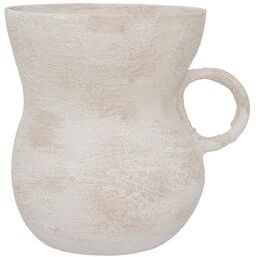
Urban Nature Culture Vase RelaxedQuiet elegancy comes to life in Urban Nature Culture's vase Relaxed. Handmade in Portugal, this ceramic vase has a shape beyond anything you've seen - it's organic, it flows and steals your heart with its playful ear.123,40 $*Shipping: 0,00 $Secure redirect to the provider
-
Urban Nature Culture Vase Ace - AceSetting forth a tradition that is centuries old, pottery has ever been one of Portugal's trades. Urban Nature Culture loves to work with Portuguese artisans - who use their skills to combine modern looks and contemporary design with techniques of old.145,60 $*Shipping: 0,00 $Secure redirect to the provider
-
Urban Nature Culture Vase Talvi - WhiteFloating the sea waves, a sense of calm takes over, feeling at home in the world. That same feeling we get at home, like a safe haven to relax our senses and feast our eyes on our most cherished things.267,80 $*Shipping: 0,00 $Secure redirect to the provider



-
What is the difference between deontology and duty ethics?
Deontology is a broader ethical theory that focuses on the moral principles and rules that guide our actions, while duty ethics is a specific form of deontology that emphasizes the importance of fulfilling one's duties and obligations. Deontology considers the morality of an action based on whether it follows certain rules or principles, while duty ethics specifically emphasizes the importance of fulfilling one's duties and responsibilities, regardless of the consequences. In other words, while deontology looks at the morality of actions based on principles, duty ethics places a strong emphasis on fulfilling one's specific duties and obligations. **
-
What are the differences and similarities between eudaimonia and deontology?
Eudaimonia and deontology are both ethical theories, but they differ in their approach. Eudaimonia, often associated with Aristotle, focuses on the concept of human flourishing and living a virtuous life to achieve happiness. Deontology, on the other hand, is a moral theory that emphasizes the importance of following rules and duties to determine what is right or wrong, regardless of the consequences. Both theories aim to guide individuals in making ethical decisions, but eudaimonia is more focused on the overall well-being and character development of a person, while deontology is more concerned with the principles and duties that should be followed in moral decision-making. **
-
Which islands have hardly any binge-drinking tourism?
Islands such as Bora Bora, Seychelles, and the Maldives have hardly any binge-drinking tourism. These destinations are known for their luxury resorts, pristine beaches, and focus on relaxation and wellness rather than partying and excessive drinking. Visitors to these islands typically come to unwind, enjoy the natural beauty, and indulge in activities such as spa treatments, water sports, and romantic dinners. Overall, these islands offer a more tranquil and upscale experience, attracting travelers seeking a peaceful and rejuvenating vacation. **
-
Can someone give me an example where I have to decide whether it is utilitarianism or deontology?
Sure! Let's say you are a doctor and you have a patient who needs a life-saving medication. However, the medication is extremely expensive and the patient cannot afford it. In this situation, you have to decide whether to prioritize the patient's well-being (utilitarianism) by providing the medication regardless of cost, or to adhere to the principle of fairness and justice (deontology) by following the hospital's policy on financial constraints and not providing the medication. This dilemma forces you to consider the consequences of your actions on the patient's well-being (utilitarianism) versus the moral duty to follow rules and principles (deontology). **


Which islands have little to no binge-drinking tourism?
Islands such as Bora Bora, Seychelles, and Maldives have little to no binge-drinking tourism. These islands are known for their luxury resorts, pristine beaches, and focus on relaxation and wellness rather than partying. Visitors to these destinations are more likely to indulge in spa treatments, water sports, and cultural experiences rather than excessive drinking. The tranquil and serene atmosphere of these islands attracts a more upscale and discerning clientele seeking a peaceful and rejuvenating vacation. **
Is man a creature of nature or culture, or is culture the nature of man?
Man is a complex being influenced by both nature and culture. While humans are inherently part of the natural world, our behaviors, beliefs, and practices are largely shaped by the societies we live in. Culture can be seen as the nature of man in the sense that it is a fundamental aspect of human existence, shaping our identities and interactions with the world. Ultimately, the relationship between nature and culture is intertwined in shaping the essence of humanity. **
Top-Angebote
Products related to Deontology:
-
Urban Nature Culture Vase RelaxedQuiet elegancy comes to life in Urban Nature Culture's vase Relaxed. Handmade in Portugal, this ceramic vase has a shape beyond anything you've seen - it's organic, it flows and steals your heart with its playful ear.123,40 $*Shipping: 0,00 $Secure redirect to the provider
-
What is deontology?
Deontology is an ethical theory that focuses on the moral duties and obligations that individuals have. It emphasizes the importance of following rules and principles in making ethical decisions, rather than focusing on the consequences of those decisions. Deontologists believe that certain actions are inherently right or wrong, regardless of the outcomes they produce. This ethical framework is often associated with philosophers like Immanuel Kant, who argued that moral actions should be guided by principles such as the categorical imperative. **
-
What are the differences between utilitarianism and deontology?
Utilitarianism is a consequentialist ethical theory that focuses on the outcomes or consequences of actions. It emphasizes maximizing overall happiness or well-being for the greatest number of people. On the other hand, deontology is a non-consequentialist ethical theory that emphasizes the inherent rightness or wrongness of actions, regardless of their consequences. Deontology is based on the idea of duty and adherence to moral rules or principles, such as honesty or respect for human dignity. While utilitarianism prioritizes the greatest good for the greatest number, deontology prioritizes the moral principles and duties that guide our actions. **
-
What is the difference between deontology and duty ethics?
Deontology is a broader ethical theory that focuses on the moral principles and rules that guide our actions, while duty ethics is a specific form of deontology that emphasizes the importance of fulfilling one's duties and obligations. Deontology considers the morality of an action based on whether it follows certain rules or principles, while duty ethics specifically emphasizes the importance of fulfilling one's duties and responsibilities, regardless of the consequences. In other words, while deontology looks at the morality of actions based on principles, duty ethics places a strong emphasis on fulfilling one's specific duties and obligations. **
-
What are the differences and similarities between eudaimonia and deontology?
Eudaimonia and deontology are both ethical theories, but they differ in their approach. Eudaimonia, often associated with Aristotle, focuses on the concept of human flourishing and living a virtuous life to achieve happiness. Deontology, on the other hand, is a moral theory that emphasizes the importance of following rules and duties to determine what is right or wrong, regardless of the consequences. Both theories aim to guide individuals in making ethical decisions, but eudaimonia is more focused on the overall well-being and character development of a person, while deontology is more concerned with the principles and duties that should be followed in moral decision-making. **
Similar search terms for Deontology
-
Urban Nature Culture Vase Ace - AceSetting forth a tradition that is centuries old, pottery has ever been one of Portugal's trades. Urban Nature Culture loves to work with Portuguese artisans - who use their skills to combine modern looks and contemporary design with techniques of old.145,60 $*Shipping: 0,00 $Secure redirect to the provider
-
Urban Nature Culture Vase Talvi - WhiteFloating the sea waves, a sense of calm takes over, feeling at home in the world. That same feeling we get at home, like a safe haven to relax our senses and feast our eyes on our most cherished things.267,80 $*Shipping: 0,00 $Secure redirect to the provider
-
Which islands have hardly any binge-drinking tourism?
Islands such as Bora Bora, Seychelles, and the Maldives have hardly any binge-drinking tourism. These destinations are known for their luxury resorts, pristine beaches, and focus on relaxation and wellness rather than partying and excessive drinking. Visitors to these islands typically come to unwind, enjoy the natural beauty, and indulge in activities such as spa treatments, water sports, and romantic dinners. Overall, these islands offer a more tranquil and upscale experience, attracting travelers seeking a peaceful and rejuvenating vacation. **
-
Can someone give me an example where I have to decide whether it is utilitarianism or deontology?
Sure! Let's say you are a doctor and you have a patient who needs a life-saving medication. However, the medication is extremely expensive and the patient cannot afford it. In this situation, you have to decide whether to prioritize the patient's well-being (utilitarianism) by providing the medication regardless of cost, or to adhere to the principle of fairness and justice (deontology) by following the hospital's policy on financial constraints and not providing the medication. This dilemma forces you to consider the consequences of your actions on the patient's well-being (utilitarianism) versus the moral duty to follow rules and principles (deontology). **
-
Which islands have little to no binge-drinking tourism?
Islands such as Bora Bora, Seychelles, and Maldives have little to no binge-drinking tourism. These islands are known for their luxury resorts, pristine beaches, and focus on relaxation and wellness rather than partying. Visitors to these destinations are more likely to indulge in spa treatments, water sports, and cultural experiences rather than excessive drinking. The tranquil and serene atmosphere of these islands attracts a more upscale and discerning clientele seeking a peaceful and rejuvenating vacation. **
-
Is man a creature of nature or culture, or is culture the nature of man?
Man is a complex being influenced by both nature and culture. While humans are inherently part of the natural world, our behaviors, beliefs, and practices are largely shaped by the societies we live in. Culture can be seen as the nature of man in the sense that it is a fundamental aspect of human existence, shaping our identities and interactions with the world. Ultimately, the relationship between nature and culture is intertwined in shaping the essence of humanity. **
* All prices are inclusive of VAT and, if applicable, plus shipping costs. The offer information is based on the details provided by the respective shop and is updated through automated processes. Real-time updates do not occur, so deviations can occur in individual cases. ** Note: Parts of this content were created by AI.