Buy baleares.info ?
We are moving the project
baleares.info .
Are you interested in purchasing the domain
baleares.info ?
domain@kv-gmbh.de · 0541-91531010
Buy baleares.info ?
What is the correct formulation: "Zu deinem Geburtstag" or "Zum deinem Geburtstag" etc.?
The correct formulation is "Zu deinem Geburtstag." The preposition "zu" is used to indicate the purpose or destination of an action, and it does not require the dative article "dem" to follow it. Therefore, the correct formulation does not include the article "dem" after "zu." **
Which is correct: deinen or deinem?
The correct form depends on the gender and case of the noun that follows. "Deinen" is used with masculine and neuter nouns in the accusative case, while "deinem" is used with masculine and neuter nouns in the dative case. For example, you would say "deinen Hund" (your dog) in the accusative case and "deinem Hund" (to your dog) in the dative case. **


Similar search terms for Deinem
Top-Angebote
Products related to Deinem:
-
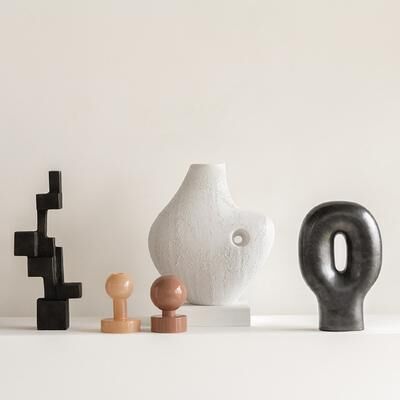
Urban Nature Culture Vase Ace - AceSetting forth a tradition that is centuries old, pottery has ever been one of Portugal's trades. Urban Nature Culture loves to work with Portuguese artisans - who use their skills to combine modern looks and contemporary design with techniques of old.145,60 $*Shipping: 0,00 $Secure redirect to the provider
-
Urban Nature Culture Vase Talvi - WhiteFloating the sea waves, a sense of calm takes over, feeling at home in the world. That same feeling we get at home, like a safe haven to relax our senses and feast our eyes on our most cherished things.267,80 $*Shipping: 0,00 $Secure redirect to the provider



-
What is correct: dein or deinem?
The correct form depends on the context. "Dein" is used for the nominative and accusative cases, while "deinem" is used for the dative case. For example, you would say "Dein Buch ist interessant" (Your book is interesting) using the nominative case, and "Ich gebe dir deinem Bruder das Buch" (I give your brother the book) using the dative case. **
-
What does "Schuster, bleib bei deinem Leisten" mean?
"Schuster, bleib bei deinem Leisten" is a German proverb that translates to "Shoemaker, stick to your last" in English. It is used to advise someone to stick to what they know best and not to meddle in areas outside of their expertise. The proverb emphasizes the importance of staying in one's lane and focusing on one's own skills and abilities. **
-
Can you correctly reproduce the phrase "Schuster, bleib bei deinem Leisten" grammatically?
Yes, the phrase "Schuster, bleib bei deinem Leisten" is grammatically correct. In English, it translates to "Shoemaker, stick to your last," meaning one should focus on what they know best or stick to their area of expertise. The phrase uses the imperative form of the verb "bleiben" (to stay) and the possessive pronoun "deinem" (your) to convey the message. **
-
Can you correctly reproduce the idiom "Schuster, bleib bei deinem Leisten" grammatically?
Yes, the correct reproduction of the idiom "Schuster, bleib bei deinem Leisten" in English would be "Cobbler, stick to your last." This idiom is used to advise someone to focus on what they know best or to stay within their area of expertise. **
Which islands have hardly any binge-drinking tourism?
Islands such as Bora Bora, Seychelles, and the Maldives have hardly any binge-drinking tourism. These destinations are known for their luxury resorts, pristine beaches, and focus on relaxation and wellness rather than partying and excessive drinking. Visitors to these islands typically come to unwind, enjoy the natural beauty, and indulge in activities such as spa treatments, water sports, and romantic dinners. Overall, these islands offer a more tranquil and upscale experience, attracting travelers seeking a peaceful and rejuvenating vacation. **
Which islands have little to no binge-drinking tourism?
Islands such as Bora Bora, Seychelles, and Maldives have little to no binge-drinking tourism. These islands are known for their luxury resorts, pristine beaches, and focus on relaxation and wellness rather than partying. Visitors to these destinations are more likely to indulge in spa treatments, water sports, and cultural experiences rather than excessive drinking. The tranquil and serene atmosphere of these islands attracts a more upscale and discerning clientele seeking a peaceful and rejuvenating vacation. **
Top-Angebote
Products related to Deinem:
-
Urban Nature Culture Vase RelaxedQuiet elegancy comes to life in Urban Nature Culture's vase Relaxed. Handmade in Portugal, this ceramic vase has a shape beyond anything you've seen - it's organic, it flows and steals your heart with its playful ear.123,40 $*Shipping: 0,00 $Secure redirect to the provider
-
What is the correct formulation: "Zu deinem Geburtstag" or "Zum deinem Geburtstag" etc.?
The correct formulation is "Zu deinem Geburtstag." The preposition "zu" is used to indicate the purpose or destination of an action, and it does not require the dative article "dem" to follow it. Therefore, the correct formulation does not include the article "dem" after "zu." **
-
Which is correct: deinen or deinem?
The correct form depends on the gender and case of the noun that follows. "Deinen" is used with masculine and neuter nouns in the accusative case, while "deinem" is used with masculine and neuter nouns in the dative case. For example, you would say "deinen Hund" (your dog) in the accusative case and "deinem Hund" (to your dog) in the dative case. **
-
What is correct: dein or deinem?
The correct form depends on the context. "Dein" is used for the nominative and accusative cases, while "deinem" is used for the dative case. For example, you would say "Dein Buch ist interessant" (Your book is interesting) using the nominative case, and "Ich gebe dir deinem Bruder das Buch" (I give your brother the book) using the dative case. **
-
What does "Schuster, bleib bei deinem Leisten" mean?
"Schuster, bleib bei deinem Leisten" is a German proverb that translates to "Shoemaker, stick to your last" in English. It is used to advise someone to stick to what they know best and not to meddle in areas outside of their expertise. The proverb emphasizes the importance of staying in one's lane and focusing on one's own skills and abilities. **
Similar search terms for Deinem
-
Urban Nature Culture Vase Ace - AceSetting forth a tradition that is centuries old, pottery has ever been one of Portugal's trades. Urban Nature Culture loves to work with Portuguese artisans - who use their skills to combine modern looks and contemporary design with techniques of old.145,60 $*Shipping: 0,00 $Secure redirect to the provider
-
Urban Nature Culture Vase Talvi - WhiteFloating the sea waves, a sense of calm takes over, feeling at home in the world. That same feeling we get at home, like a safe haven to relax our senses and feast our eyes on our most cherished things.267,80 $*Shipping: 0,00 $Secure redirect to the provider
-
Can you correctly reproduce the phrase "Schuster, bleib bei deinem Leisten" grammatically?
Yes, the phrase "Schuster, bleib bei deinem Leisten" is grammatically correct. In English, it translates to "Shoemaker, stick to your last," meaning one should focus on what they know best or stick to their area of expertise. The phrase uses the imperative form of the verb "bleiben" (to stay) and the possessive pronoun "deinem" (your) to convey the message. **
-
Can you correctly reproduce the idiom "Schuster, bleib bei deinem Leisten" grammatically?
Yes, the correct reproduction of the idiom "Schuster, bleib bei deinem Leisten" in English would be "Cobbler, stick to your last." This idiom is used to advise someone to focus on what they know best or to stay within their area of expertise. **
-
Which islands have hardly any binge-drinking tourism?
Islands such as Bora Bora, Seychelles, and the Maldives have hardly any binge-drinking tourism. These destinations are known for their luxury resorts, pristine beaches, and focus on relaxation and wellness rather than partying and excessive drinking. Visitors to these islands typically come to unwind, enjoy the natural beauty, and indulge in activities such as spa treatments, water sports, and romantic dinners. Overall, these islands offer a more tranquil and upscale experience, attracting travelers seeking a peaceful and rejuvenating vacation. **
-
Which islands have little to no binge-drinking tourism?
Islands such as Bora Bora, Seychelles, and Maldives have little to no binge-drinking tourism. These islands are known for their luxury resorts, pristine beaches, and focus on relaxation and wellness rather than partying. Visitors to these destinations are more likely to indulge in spa treatments, water sports, and cultural experiences rather than excessive drinking. The tranquil and serene atmosphere of these islands attracts a more upscale and discerning clientele seeking a peaceful and rejuvenating vacation. **
* All prices are inclusive of VAT and, if applicable, plus shipping costs. The offer information is based on the details provided by the respective shop and is updated through automated processes. Real-time updates do not occur, so deviations can occur in individual cases. ** Note: Parts of this content were created by AI.