Buy baleares.info ?
We are moving the project
baleares.info .
Are you interested in purchasing the domain
baleares.info ?
domain@kv-gmbh.de · 0541-91531010
Buy baleares.info ?
Why does milk curdle?
Milk curdles when its proteins, specifically casein, coagulate and form solid clumps. This can happen when milk is exposed to acidic substances like lemon juice or vinegar, which lower the pH level of the milk. The change in pH causes the proteins to denature and stick together, resulting in the formation of curds. Additionally, high heat can also cause milk to curdle by destabilizing the protein structure. **
What causes milk to curdle?
Milk curdles when the proteins in the milk, mainly casein, coagulate and form solid clumps. This can happen when milk is exposed to acidic substances such as lemon juice, vinegar, or certain bacteria. The acid disrupts the protein structure, causing them to clump together and separate from the liquid whey. **


Similar search terms for Curdle
Top-Angebote
Products related to Curdle:
-
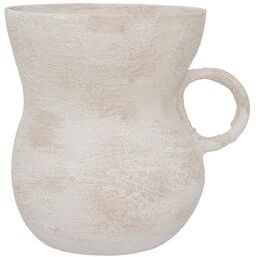
Urban Nature Culture Vase RelaxedQuiet elegancy comes to life in Urban Nature Culture's vase Relaxed. Handmade in Portugal, this ceramic vase has a shape beyond anything you've seen - it's organic, it flows and steals your heart with its playful ear.123,40 $*Shipping: 0,00 $Secure redirect to the provider
-
Urban Nature Culture Vase Ace - AceSetting forth a tradition that is centuries old, pottery has ever been one of Portugal's trades. Urban Nature Culture loves to work with Portuguese artisans - who use their skills to combine modern looks and contemporary design with techniques of old.145,60 $*Shipping: 0,00 $Secure redirect to the provider


-
Why does milk curdle when boiled?
Milk curdles when boiled because the heat causes the proteins in the milk, specifically casein, to denature and coagulate. This results in the formation of curds, which are clumps of protein. The acidity of the milk can also play a role in curdling, as acidic substances can cause the proteins to coagulate more easily. Overall, the combination of heat and acidity disrupts the structure of the proteins in the milk, leading to curdling. **
-
Does bad milk always curdle in coffee?
No, bad milk does not always curdle in coffee. Curdling occurs when the proteins in the milk denature and clump together, usually due to a change in acidity or temperature. While bad milk is more likely to curdle because it has already started to spoil, it is not a guarantee. Factors such as the freshness of the milk, the temperature of the coffee, and the acidity of the coffee can all play a role in whether or not the milk will curdle. **
-
How can one make buttermilk curdle faster?
To make buttermilk curdle faster, you can add an acidic ingredient such as lemon juice or vinegar to the buttermilk. The acid will help to separate the curds from the whey more quickly. You can also increase the temperature slightly to speed up the curdling process. Additionally, stirring the buttermilk gently can help to encourage curdling. **
-
How can you make buttermilk curdle faster?
To make buttermilk curdle faster, you can add an acidic ingredient such as lemon juice or vinegar to the buttermilk. The acid will help to separate the curds from the whey more quickly. You can also increase the temperature of the buttermilk slightly, but be careful not to overheat it as this can cause the curdling process to go too far and result in a grainy texture. Finally, stirring the buttermilk gently while it curdles can help to speed up the process. **

Why does milk curdle in lemon juice?
Milk curdles in lemon juice because the acid in the lemon juice causes the proteins in the milk, specifically casein, to coagulate and form curds. This process is similar to what happens when milk is heated or when rennet is added to make cheese. The acid disrupts the bonds between the proteins, causing them to clump together and separate from the liquid whey. This results in the formation of curds, giving the milk a lumpy or curdled appearance. **
Why does cream curdle during a thunderstorm?
Cream curdles during a thunderstorm because the change in atmospheric pressure and humidity can destabilize the proteins in the cream. This can cause the proteins to clump together and separate from the liquid, resulting in curdling. Additionally, the agitation and movement of the air during a thunderstorm can further contribute to the curdling process by disrupting the delicate structure of the cream. **
Top-Angebote
Products related to Curdle:
-
Urban Nature Culture Vase RelaxedQuiet elegancy comes to life in Urban Nature Culture's vase Relaxed. Handmade in Portugal, this ceramic vase has a shape beyond anything you've seen - it's organic, it flows and steals your heart with its playful ear.123,40 $*Shipping: 0,00 $Secure redirect to the provider
-
Why does milk curdle?
Milk curdles when its proteins, specifically casein, coagulate and form solid clumps. This can happen when milk is exposed to acidic substances like lemon juice or vinegar, which lower the pH level of the milk. The change in pH causes the proteins to denature and stick together, resulting in the formation of curds. Additionally, high heat can also cause milk to curdle by destabilizing the protein structure. **
-
What causes milk to curdle?
Milk curdles when the proteins in the milk, mainly casein, coagulate and form solid clumps. This can happen when milk is exposed to acidic substances such as lemon juice, vinegar, or certain bacteria. The acid disrupts the protein structure, causing them to clump together and separate from the liquid whey. **
-
Why does milk curdle when boiled?
Milk curdles when boiled because the heat causes the proteins in the milk, specifically casein, to denature and coagulate. This results in the formation of curds, which are clumps of protein. The acidity of the milk can also play a role in curdling, as acidic substances can cause the proteins to coagulate more easily. Overall, the combination of heat and acidity disrupts the structure of the proteins in the milk, leading to curdling. **
-
Does bad milk always curdle in coffee?
No, bad milk does not always curdle in coffee. Curdling occurs when the proteins in the milk denature and clump together, usually due to a change in acidity or temperature. While bad milk is more likely to curdle because it has already started to spoil, it is not a guarantee. Factors such as the freshness of the milk, the temperature of the coffee, and the acidity of the coffee can all play a role in whether or not the milk will curdle. **
Similar search terms for Curdle
-
Urban Nature Culture Vase Ace - AceSetting forth a tradition that is centuries old, pottery has ever been one of Portugal's trades. Urban Nature Culture loves to work with Portuguese artisans - who use their skills to combine modern looks and contemporary design with techniques of old.145,60 $*Shipping: 0,00 $Secure redirect to the provider
-
Urban Nature Culture Vase Talvi - WhiteFloating the sea waves, a sense of calm takes over, feeling at home in the world. That same feeling we get at home, like a safe haven to relax our senses and feast our eyes on our most cherished things.267,80 $*Shipping: 0,00 $Secure redirect to the provider
-
How can one make buttermilk curdle faster?
To make buttermilk curdle faster, you can add an acidic ingredient such as lemon juice or vinegar to the buttermilk. The acid will help to separate the curds from the whey more quickly. You can also increase the temperature slightly to speed up the curdling process. Additionally, stirring the buttermilk gently can help to encourage curdling. **
-
How can you make buttermilk curdle faster?
To make buttermilk curdle faster, you can add an acidic ingredient such as lemon juice or vinegar to the buttermilk. The acid will help to separate the curds from the whey more quickly. You can also increase the temperature of the buttermilk slightly, but be careful not to overheat it as this can cause the curdling process to go too far and result in a grainy texture. Finally, stirring the buttermilk gently while it curdles can help to speed up the process. **
-
Why does milk curdle in lemon juice?
Milk curdles in lemon juice because the acid in the lemon juice causes the proteins in the milk, specifically casein, to coagulate and form curds. This process is similar to what happens when milk is heated or when rennet is added to make cheese. The acid disrupts the bonds between the proteins, causing them to clump together and separate from the liquid whey. This results in the formation of curds, giving the milk a lumpy or curdled appearance. **
-
Why does cream curdle during a thunderstorm?
Cream curdles during a thunderstorm because the change in atmospheric pressure and humidity can destabilize the proteins in the cream. This can cause the proteins to clump together and separate from the liquid, resulting in curdling. Additionally, the agitation and movement of the air during a thunderstorm can further contribute to the curdling process by disrupting the delicate structure of the cream. **
* All prices are inclusive of VAT and, if applicable, plus shipping costs. The offer information is based on the details provided by the respective shop and is updated through automated processes. Real-time updates do not occur, so deviations can occur in individual cases. ** Note: Parts of this content were created by AI.