Buy baleares.info ?
We are moving the project
baleares.info .
Are you interested in purchasing the domain
baleares.info ?
domain@kv-gmbh.de · 0541-91531010
Buy baleares.info ?
On the Balkans or in the Balkans?
Both "on the Balkans" and "in the Balkans" are correct, but they are used in different contexts. "On the Balkans" is used when referring to the geographical location of the Balkan Peninsula, while "in the Balkans" is used when referring to being within the region or countries that make up the Balkans. For example, you would say "on the Balkans" when talking about the peninsula's location on a map, and "in the Balkans" when discussing a specific country or city within the region. **
Is the Balkans dying out?
No, the Balkans region is not dying out. While there are challenges such as declining population in some areas, economic struggles, and political tensions, the region continues to be culturally rich and diverse. Efforts are being made to address these issues and promote sustainable development in the Balkans. The region has a long history and a resilient population that continues to adapt and thrive. **
Similar search terms for Balkans
Top-Angebote
Products related to Balkans:
-
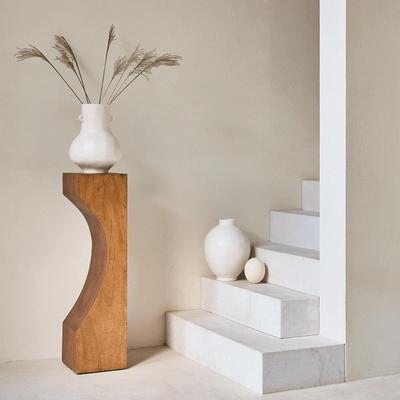
Urban Nature Culture Vase Ace - AceSetting forth a tradition that is centuries old, pottery has ever been one of Portugal's trades. Urban Nature Culture loves to work with Portuguese artisans - who use their skills to combine modern looks and contemporary design with techniques of old.145,60 $*Shipping: 0,00 $Secure redirect to the provider
-
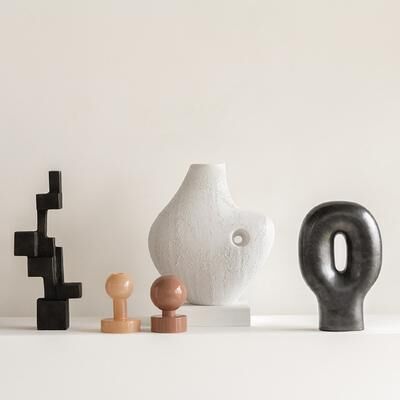
Urban Nature Culture Vase Talvi - WhiteFloating the sea waves, a sense of calm takes over, feeling at home in the world. That same feeling we get at home, like a safe haven to relax our senses and feast our eyes on our most cherished things.267,80 $*Shipping: 0,00 $Secure redirect to the provider



-
Is there an East Balkans?
The term "East Balkans" is not commonly used in geographical or political contexts. The Balkans region typically refers to the southeastern part of Europe, including countries such as Albania, Bosnia and Herzegovina, Bulgaria, Croatia, Greece, Kosovo, Montenegro, North Macedonia, Romania, Serbia, and Slovenia. While there is no specific designation for an "East Balkans" region, the countries in the Balkans are often grouped together due to their shared history, culture, and geographic proximity. **
-
To which countries does the Balkans belong, and what does the Balkans actually mean?
The Balkans belong to several countries in Southeastern Europe, including Albania, Bosnia and Herzegovina, Bulgaria, Croatia, Greece, Kosovo, Montenegro, North Macedonia, Romania, Serbia, and Slovenia. The term "Balkans" refers to the region in Southeastern Europe that is situated on the Balkan Peninsula. The name "Balkans" is derived from the Turkish word "balkan," which means "a chain of wooded mountains." This term accurately describes the geography of the region, which is characterized by its mountainous terrain. **
-
Which countries belong to the Balkans?
The Balkans is a region in Southeast Europe that includes countries such as Albania, Bosnia and Herzegovina, Bulgaria, Croatia, Greece, Kosovo, Montenegro, North Macedonia, Romania, Serbia, and Slovenia. These countries are located on the Balkan Peninsula and share historical, cultural, and geopolitical ties. The region has a complex history of ethnic diversity, conflicts, and political changes. **
-
Does Slovenia belong to the Balkans?
Slovenia is geographically located in the Balkan Peninsula, but it is not traditionally considered part of the Balkans. Slovenia is often grouped with Central Europe due to its history, culture, and economic ties with countries in that region. While Slovenia shares some similarities with Balkan countries, such as its Slavic roots, it is generally seen as a separate entity within Europe. **
What is typical for the Balkans?
The Balkans are known for their diverse cultural heritage, with influences from both Eastern and Western civilizations. The region has a complex history of ethnic and religious diversity, which has led to a mix of traditions and customs. Additionally, the Balkans are characterized by their stunning natural landscapes, including rugged mountains, crystal-clear lakes, and beautiful coastlines. The cuisine in the Balkans is also a highlight, with a mix of flavors and dishes that reflect the region's rich history and cultural influences. **
Does Turkey belong to the Balkans?
Turkey is not considered part of the Balkans geographically. The Balkans typically refer to the southeastern European countries such as Albania, Bosnia and Herzegovina, Bulgaria, Croatia, Greece, Montenegro, North Macedonia, Romania, Serbia, and Slovenia. Turkey is located in Western Asia and a small portion in Southeastern Europe, known as Eastern Thrace. While Turkey has historical and cultural ties to the Balkans, it is not traditionally included in the region. **
Top-Angebote
Products related to Balkans:
-
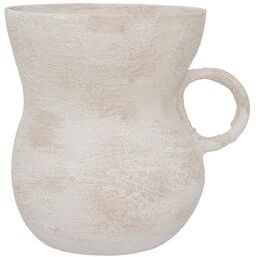
Urban Nature Culture Vase RelaxedQuiet elegancy comes to life in Urban Nature Culture's vase Relaxed. Handmade in Portugal, this ceramic vase has a shape beyond anything you've seen - it's organic, it flows and steals your heart with its playful ear.123,40 $*Shipping: 0,00 $Secure redirect to the provider
-
On the Balkans or in the Balkans?
Both "on the Balkans" and "in the Balkans" are correct, but they are used in different contexts. "On the Balkans" is used when referring to the geographical location of the Balkan Peninsula, while "in the Balkans" is used when referring to being within the region or countries that make up the Balkans. For example, you would say "on the Balkans" when talking about the peninsula's location on a map, and "in the Balkans" when discussing a specific country or city within the region. **
-
Is the Balkans dying out?
No, the Balkans region is not dying out. While there are challenges such as declining population in some areas, economic struggles, and political tensions, the region continues to be culturally rich and diverse. Efforts are being made to address these issues and promote sustainable development in the Balkans. The region has a long history and a resilient population that continues to adapt and thrive. **
-
Is there an East Balkans?
The term "East Balkans" is not commonly used in geographical or political contexts. The Balkans region typically refers to the southeastern part of Europe, including countries such as Albania, Bosnia and Herzegovina, Bulgaria, Croatia, Greece, Kosovo, Montenegro, North Macedonia, Romania, Serbia, and Slovenia. While there is no specific designation for an "East Balkans" region, the countries in the Balkans are often grouped together due to their shared history, culture, and geographic proximity. **
-
To which countries does the Balkans belong, and what does the Balkans actually mean?
The Balkans belong to several countries in Southeastern Europe, including Albania, Bosnia and Herzegovina, Bulgaria, Croatia, Greece, Kosovo, Montenegro, North Macedonia, Romania, Serbia, and Slovenia. The term "Balkans" refers to the region in Southeastern Europe that is situated on the Balkan Peninsula. The name "Balkans" is derived from the Turkish word "balkan," which means "a chain of wooded mountains." This term accurately describes the geography of the region, which is characterized by its mountainous terrain. **
Similar search terms for Balkans
-
Urban Nature Culture Vase Ace - AceSetting forth a tradition that is centuries old, pottery has ever been one of Portugal's trades. Urban Nature Culture loves to work with Portuguese artisans - who use their skills to combine modern looks and contemporary design with techniques of old.145,60 $*Shipping: 0,00 $Secure redirect to the provider
-
Urban Nature Culture Vase Talvi - WhiteFloating the sea waves, a sense of calm takes over, feeling at home in the world. That same feeling we get at home, like a safe haven to relax our senses and feast our eyes on our most cherished things.267,80 $*Shipping: 0,00 $Secure redirect to the provider
-
Which countries belong to the Balkans?
The Balkans is a region in Southeast Europe that includes countries such as Albania, Bosnia and Herzegovina, Bulgaria, Croatia, Greece, Kosovo, Montenegro, North Macedonia, Romania, Serbia, and Slovenia. These countries are located on the Balkan Peninsula and share historical, cultural, and geopolitical ties. The region has a complex history of ethnic diversity, conflicts, and political changes. **
-
Does Slovenia belong to the Balkans?
Slovenia is geographically located in the Balkan Peninsula, but it is not traditionally considered part of the Balkans. Slovenia is often grouped with Central Europe due to its history, culture, and economic ties with countries in that region. While Slovenia shares some similarities with Balkan countries, such as its Slavic roots, it is generally seen as a separate entity within Europe. **
-
What is typical for the Balkans?
The Balkans are known for their diverse cultural heritage, with influences from both Eastern and Western civilizations. The region has a complex history of ethnic and religious diversity, which has led to a mix of traditions and customs. Additionally, the Balkans are characterized by their stunning natural landscapes, including rugged mountains, crystal-clear lakes, and beautiful coastlines. The cuisine in the Balkans is also a highlight, with a mix of flavors and dishes that reflect the region's rich history and cultural influences. **
-
Does Turkey belong to the Balkans?
Turkey is not considered part of the Balkans geographically. The Balkans typically refer to the southeastern European countries such as Albania, Bosnia and Herzegovina, Bulgaria, Croatia, Greece, Montenegro, North Macedonia, Romania, Serbia, and Slovenia. Turkey is located in Western Asia and a small portion in Southeastern Europe, known as Eastern Thrace. While Turkey has historical and cultural ties to the Balkans, it is not traditionally included in the region. **
* All prices are inclusive of VAT and, if applicable, plus shipping costs. The offer information is based on the details provided by the respective shop and is updated through automated processes. Real-time updates do not occur, so deviations can occur in individual cases. ** Note: Parts of this content were created by AI.