Buy baleares.info ?
We are moving the project
baleares.info .
Are you interested in purchasing the domain
baleares.info ?
domain@kv-gmbh.de · 0541-91531010
Buy baleares.info ?
How does the process of cell culture technology proceed?
Cell culture technology involves the growth and maintenance of cells outside of their natural environment, typically in a laboratory setting. The process begins with the selection of the appropriate cell type and the preparation of a suitable growth medium. The cells are then isolated from their natural environment and placed in a sterile culture vessel, where they are provided with the necessary nutrients and conditions for growth. The culture is regularly monitored and maintained to ensure the cells remain healthy and continue to proliferate. This technology is widely used in research, drug development, and biotechnology for studying cell behavior, producing biological products, and testing potential therapies. **
Does the daughter cell have the same cell type as the mother cell?
The daughter cell may or may not have the same cell type as the mother cell. During cell division, if the daughter cell undergoes differentiation, it may develop into a different cell type than the mother cell. However, if the daughter cell undergoes mitosis, it will be an exact copy of the mother cell and will have the same cell type. Therefore, whether the daughter cell has the same cell type as the mother cell depends on the specific context of the cell division process. **


Similar search terms for Cell
Top-Angebote
Products related to Cell:
-
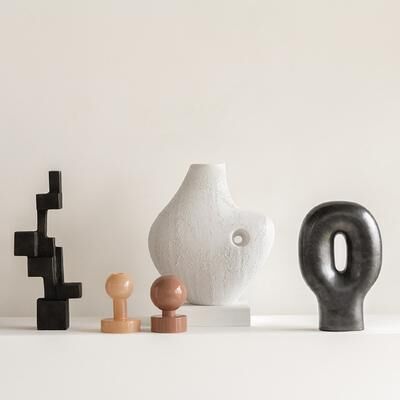
Urban Nature Culture Vase Ace - AceSetting forth a tradition that is centuries old, pottery has ever been one of Portugal's trades. Urban Nature Culture loves to work with Portuguese artisans - who use their skills to combine modern looks and contemporary design with techniques of old.145,60 $*Shipping: 0,00 $Secure redirect to the provider
-
Urban Nature Culture Vase Talvi - WhiteFloating the sea waves, a sense of calm takes over, feeling at home in the world. That same feeling we get at home, like a safe haven to relax our senses and feast our eyes on our most cherished things.267,80 $*Shipping: 0,00 $Secure redirect to the provider



-
What are the cell organelles in cell biology?
Cell organelles are specialized structures within a cell that perform specific functions. Some of the main organelles in cell biology include the nucleus, which houses the cell's genetic material; mitochondria, which are responsible for producing energy; the endoplasmic reticulum, involved in protein synthesis and lipid metabolism; Golgi apparatus, which processes and packages proteins; lysosomes, which contain enzymes for breaking down waste materials; and the cytoskeleton, which provides structure and support to the cell. Each organelle plays a crucial role in the overall functioning of the cell. **
-
What are half-cell reactions and cell reactions?
Half-cell reactions are the individual chemical reactions that occur at each electrode in an electrochemical cell. In a half-cell reaction, electrons are either gained or lost, resulting in a change in oxidation state of the species involved. When two half-cell reactions are combined, they form a complete cell reaction, which describes the overall chemical process that occurs in the electrochemical cell. The cell reaction represents the overall flow of electrons and the transfer of species between the two half-cells. **
-
How does each cell arise from another cell?
Each cell arises from another cell through the process of cell division. During cell division, a parent cell duplicates its genetic material and then divides into two daughter cells. This process can occur through either mitosis, which produces two identical daughter cells, or meiosis, which produces four daughter cells with half the genetic material of the parent cell. In both cases, the new cells inherit their genetic material from the parent cell and continue the cycle of growth and division. **
-
Why is the liver cell an animal cell?
The liver cell is an animal cell because it is a part of the liver, which is an organ found in animals. Animal cells, including liver cells, are eukaryotic cells, meaning they have a true nucleus and other membrane-bound organelles. Additionally, animal cells do not have a cell wall, which is a characteristic of plant cells. The liver cell also performs specific functions related to the metabolism and detoxification of the body, which are essential for animal physiology. **

Which islands have hardly any binge-drinking tourism?
Islands such as Bora Bora, Seychelles, and the Maldives have hardly any binge-drinking tourism. These destinations are known for their luxury resorts, pristine beaches, and focus on relaxation and wellness rather than partying and excessive drinking. Visitors to these islands typically come to unwind, enjoy the natural beauty, and indulge in activities such as spa treatments, water sports, and romantic dinners. Overall, these islands offer a more tranquil and upscale experience, attracting travelers seeking a peaceful and rejuvenating vacation. **
Can you provide a summary of the cell cycle of cells in culture?
The cell cycle of cells in culture consists of four main stages: G1 (gap 1), S (synthesis), G2 (gap 2), and M (mitosis). During G1, the cell grows and carries out its normal functions. In the S phase, the cell replicates its DNA. In G2, the cell continues to grow and prepares for mitosis. Finally, during M phase, the cell divides into two daughter cells through the processes of mitosis and cytokinesis. This cycle allows for the growth and reproduction of cells in culture. **
Top-Angebote
Products related to Cell:
-
Urban Nature Culture Vase RelaxedQuiet elegancy comes to life in Urban Nature Culture's vase Relaxed. Handmade in Portugal, this ceramic vase has a shape beyond anything you've seen - it's organic, it flows and steals your heart with its playful ear.123,40 $*Shipping: 0,00 $Secure redirect to the provider
-
How does the process of cell culture technology proceed?
Cell culture technology involves the growth and maintenance of cells outside of their natural environment, typically in a laboratory setting. The process begins with the selection of the appropriate cell type and the preparation of a suitable growth medium. The cells are then isolated from their natural environment and placed in a sterile culture vessel, where they are provided with the necessary nutrients and conditions for growth. The culture is regularly monitored and maintained to ensure the cells remain healthy and continue to proliferate. This technology is widely used in research, drug development, and biotechnology for studying cell behavior, producing biological products, and testing potential therapies. **
-
Does the daughter cell have the same cell type as the mother cell?
The daughter cell may or may not have the same cell type as the mother cell. During cell division, if the daughter cell undergoes differentiation, it may develop into a different cell type than the mother cell. However, if the daughter cell undergoes mitosis, it will be an exact copy of the mother cell and will have the same cell type. Therefore, whether the daughter cell has the same cell type as the mother cell depends on the specific context of the cell division process. **
-
What are the cell organelles in cell biology?
Cell organelles are specialized structures within a cell that perform specific functions. Some of the main organelles in cell biology include the nucleus, which houses the cell's genetic material; mitochondria, which are responsible for producing energy; the endoplasmic reticulum, involved in protein synthesis and lipid metabolism; Golgi apparatus, which processes and packages proteins; lysosomes, which contain enzymes for breaking down waste materials; and the cytoskeleton, which provides structure and support to the cell. Each organelle plays a crucial role in the overall functioning of the cell. **
-
What are half-cell reactions and cell reactions?
Half-cell reactions are the individual chemical reactions that occur at each electrode in an electrochemical cell. In a half-cell reaction, electrons are either gained or lost, resulting in a change in oxidation state of the species involved. When two half-cell reactions are combined, they form a complete cell reaction, which describes the overall chemical process that occurs in the electrochemical cell. The cell reaction represents the overall flow of electrons and the transfer of species between the two half-cells. **
Similar search terms for Cell
-
Urban Nature Culture Vase Ace - AceSetting forth a tradition that is centuries old, pottery has ever been one of Portugal's trades. Urban Nature Culture loves to work with Portuguese artisans - who use their skills to combine modern looks and contemporary design with techniques of old.145,60 $*Shipping: 0,00 $Secure redirect to the provider
-
Urban Nature Culture Vase Talvi - WhiteFloating the sea waves, a sense of calm takes over, feeling at home in the world. That same feeling we get at home, like a safe haven to relax our senses and feast our eyes on our most cherished things.267,80 $*Shipping: 0,00 $Secure redirect to the provider
-
How does each cell arise from another cell?
Each cell arises from another cell through the process of cell division. During cell division, a parent cell duplicates its genetic material and then divides into two daughter cells. This process can occur through either mitosis, which produces two identical daughter cells, or meiosis, which produces four daughter cells with half the genetic material of the parent cell. In both cases, the new cells inherit their genetic material from the parent cell and continue the cycle of growth and division. **
-
Why is the liver cell an animal cell?
The liver cell is an animal cell because it is a part of the liver, which is an organ found in animals. Animal cells, including liver cells, are eukaryotic cells, meaning they have a true nucleus and other membrane-bound organelles. Additionally, animal cells do not have a cell wall, which is a characteristic of plant cells. The liver cell also performs specific functions related to the metabolism and detoxification of the body, which are essential for animal physiology. **
-
Which islands have hardly any binge-drinking tourism?
Islands such as Bora Bora, Seychelles, and the Maldives have hardly any binge-drinking tourism. These destinations are known for their luxury resorts, pristine beaches, and focus on relaxation and wellness rather than partying and excessive drinking. Visitors to these islands typically come to unwind, enjoy the natural beauty, and indulge in activities such as spa treatments, water sports, and romantic dinners. Overall, these islands offer a more tranquil and upscale experience, attracting travelers seeking a peaceful and rejuvenating vacation. **
-
Can you provide a summary of the cell cycle of cells in culture?
The cell cycle of cells in culture consists of four main stages: G1 (gap 1), S (synthesis), G2 (gap 2), and M (mitosis). During G1, the cell grows and carries out its normal functions. In the S phase, the cell replicates its DNA. In G2, the cell continues to grow and prepares for mitosis. Finally, during M phase, the cell divides into two daughter cells through the processes of mitosis and cytokinesis. This cycle allows for the growth and reproduction of cells in culture. **
* All prices are inclusive of VAT and, if applicable, plus shipping costs. The offer information is based on the details provided by the respective shop and is updated through automated processes. Real-time updates do not occur, so deviations can occur in individual cases. ** Note: Parts of this content were created by AI.